Buying Property in Costa Rica: The Step-by-Step Process for Foreigners
By Written by the editorial team at The Costa Rica List — Thu Oct 08 2026

How foreigners buy property in Costa Rica: the maritime zone, corporations, escrow, closing costs, what goes wrong and the running costs after you buy.
Buying property in Costa Rica is less complicated than most people expect. Property rights are protected by the Constitution, foreigners have the same rights as Costa Ricans, and the title system is public and searchable through the National Registry. What catches buyers out is not the law but the details: the coastal maritime zone, untitled land, unregulated escrow and boundaries that do not match the paperwork. This guide walks through each step, what it costs, how long it takes and what can go wrong.
Published: 8 October 2026 · Last updated: 8 October 2026 · Costs and rules last verified: 8 October 2026 against the Registro Nacional, Ministerio de Hacienda and SUGEF
Quick answer: yes. Foreigners have the same property rights as Costa Ricans and residency is not required. The exception is the coastal maritime zone, where land is held by concession rather than owned. Expect three and a half to five percent in closing costs and around two to three months from offer to registration.
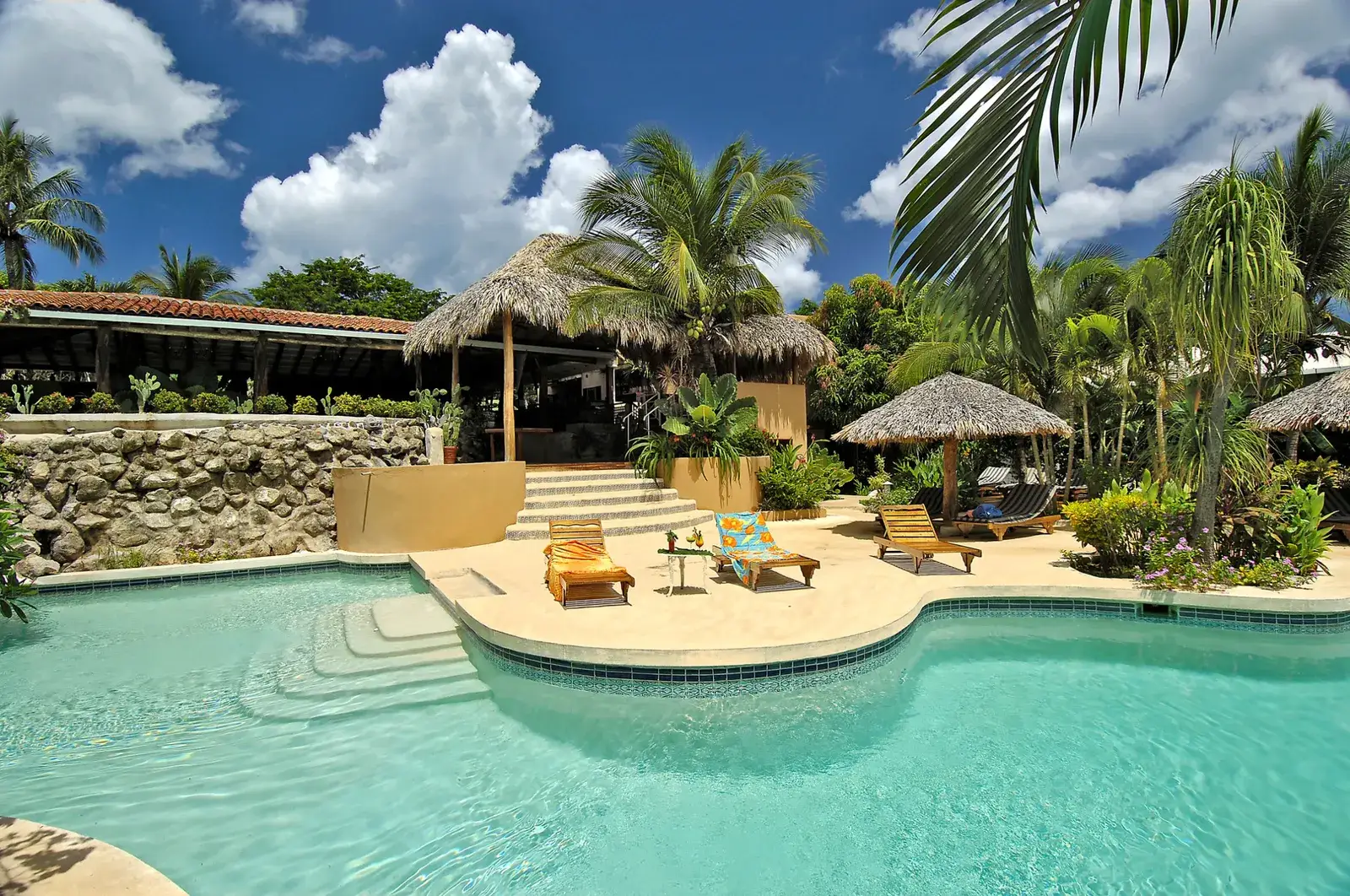
Foreigners have the same property rights as Costa Ricans, with one coastal exception. Photo: Axxis10, Escazú, CC BY-SA 3.0.
Still deciding whether to buy at all? Our renting versus buying guide for expats compares the two before you commit.
Can Foreigners Buy Property in Costa Rica?
Yes. Article 19 of the Costa Rican Constitution gives foreigners the same property rights as citizens. You do not need residency, a visa or a local partner to buy a house, condo or titled piece of land, and you can hold it in your own name. Ownership is recorded at the Registro Nacional (National Registry), where anyone can search a property by its folio real number and see the registered owner, liens and mortgages. If you are also planning to live in the country, residency is a separate process, covered in our guide to moving to Costa Rica and the Pensionado visa guide for retirees.
The Maritime Zone: What You Can and Cannot Own on the Coast
Within 200 metres of the high tide line, land is held by concession, not owned. Photo: Erick Hidalgo, Tamarindo, CC BY 3.0.
The Maritime Zone Law (Ley 6043, the Ley sobre la Zona Marítimo Terrestre) covers the 200-metre strip measured inland from the ordinary high tide line. That line is the fixed baseline the zones are measured from; the zones do not move with each tide.
- The first 50 metres is the zona pública (public zone). Nobody can own it or build on it, Costa Ricans included. It belongs to the public, and beach access must stay open.
- The next 150 metres is the zona restringida (restricted zone). This land is not sold as freehold title. It is held under a concession granted by the local municipality, for a fixed term (typically up to 20 years, renewable), with an annual canon fee and an approved zoning plan (plan regulador) required before a concession can be granted.
- Foreigners and the concession rule. A foreigner with less than five years of legal residency cannot hold a concession, and a company cannot hold one if more than 50 percent of it is owned by such foreigners.
A "beachfront" listing may therefore be a concession, not a title, and a concession can be lost if fees go unpaid or the terms are breached. Behind the 200 metres, normal titled property applies. Guidance on concessions is published by the Instituto Costarricense de Turismo (ICT) and each coastal municipality. Ask a Costa Rican property attorney to confirm which zone a coastal property sits in before making an offer.
Buying Personally or Through a Corporation
One of the first decisions is whose name goes on the title. Many foreign buyers hold property through a Costa Rican company, usually for privacy, simpler transfer on a future sale or inheritance, and to separate the property from personal liability. Others buy in their own name, which avoids the ongoing paperwork of a company.
- Sociedad Anónima (S.A.): owned through shares, managed by a board of directors (president, secretary, treasurer) and a fiscal (comptroller). Shares change hands without a public filing.
- Sociedad de Responsabilidad Limitada (S.R.L. or Ltda.): owned through quotas, managed by one or more managers (gerentes), simpler to run and often used for a single property.
Ongoing obligations of a company include: the annual corporate tax (impuesto a las personas jurídicas, Ley 9428), which for an inactive company is a percentage of a government base salary and in 2026 is roughly US$120–$140 a year; the annual beneficial ownership declaration (RTBF) to the Central Bank; a registered legal address; and keeping the company's legal books. Unpaid corporate tax blocks the company from registering documents, and years of arrears can lead to the company being dissolved.
This section is general information, not legal or tax advice. Whether a corporation suits you depends on your circumstances; discuss it with a licensed Costa Rican attorney and your home-country tax adviser. Rates and filing rules last verified 8 October 2026.
The Buying Process at a Glance
The table summarises the six stages for a typical titled property with a clean registry history. Costs are estimates of third-party fees and change over time.
| Stage | What happens | Who does it | Typical cost | Typical duration |
|---|---|---|---|---|
| 1. Budget and location | Set a price range, choose regions, view properties | Buyer | Travel costs only | Weeks to months |
| 2. Agent and attorney | Hire an agent and an independent attorney-notary | Buyer | Agent paid by seller; attorney fees counted at closing | 1–2 weeks |
| 3. Offer and agreement | Written offer, then a signed purchase option agreement and deposit | Agent and attorney | Deposit, commonly 10% of price (credited at closing) | 1–2 weeks |
| 4. Due diligence | Title, liens, survey, zoning, water, taxes and company checks | Attorney, surveyor | Survey ~US$300–$1,500 if needed | 3–6 weeks |
| 5. Payment and escrow | Funds held by a SUGEF-registered escrow agent | Escrow company | ~US$500–$1,500 | Runs alongside due diligence |
| 6. Closing and registration | Deed signed before a notary, filed at the National Registry | Notary | Transfer tax, stamps and fees: ~3.5%–5% in total | Signing in one day; registration 2–6 weeks |
Total timeline: around two to three months from signed offer to registered title. It runs shorter for a simple cash purchase with a clean title, and longer when the title has problems to clear, when a company is involved and its records need checking or updating, or when the property is a maritime zone concession that needs municipal approval.
How to Buy Property in Costa Rica, Step by Step
Step 1: Set Your Budget and Choose a Location
Decide how much you want to spend on a condo, house or piece of land, and remember to add closing costs of three and a half to five percent on top. Look at the trade-offs between regions: access to hospitals and the airport, the rainy season, road quality, internet, and how busy an area becomes in high season. If you are borrowing rather than paying cash, our guide to Costa Rica mortgages for foreigners explains how purchases are usually financed. Browse current Costa Rica real estate listings to get a feel for what your budget buys.
Indicative price ranges by region (October 2026). These are broad asking-price ranges for typical expat-market properties, based on current listings, not valuations. Prices vary widely by view, size, condition and distance from the beach.
| Region | Two-bedroom condo | Three-bedroom house |
|---|---|---|
| Central Valley (San José, Escazú, Santa Ana, Atenas, Grecia) | US$150,000–$350,000 | US$250,000–$700,000 |
| Guanacaste (Tamarindo, Flamingo, Playas del Coco) | US$250,000–$600,000 | US$450,000–$1.5 million |
| Nicoya Peninsula (Nosara, Santa Teresa, Sámara) | US$300,000–$700,000 | US$600,000–$2 million+ |
| Central Pacific (Jacó, Manuel Antonio) | US$180,000–$500,000 | US$350,000–$1.2 million |
| South Pacific (Dominical, Uvita, Ojochal) | US$200,000–$450,000 | US$350,000–$900,000 |
| Caribbean (Puerto Viejo, Cahuita) | US$150,000–$350,000 | US$250,000–$600,000 |
Indicative only, checked against listings in October 2026. Inland towns and the Caribbean are generally the least expensive; the Nicoya beach towns are generally the most expensive.
Step 2: Hire a Real Estate Agent and an Independent Attorney
The seller normally pays the agent's commission, so representation by an agent costs the buyer little. Costa Rica does not license real estate agents, so ask for references and check how long an agent has worked in the area. Your real estate attorney should be independent of the seller and the agent and work only for you.
In Costa Rica an abogado y notario is both a lawyer and a notary public, with the authority to prepare the transfer deed and file it at the National Registry. A notary here is a qualified lawyer, not just a witness to signatures.
Step 3: Make an Offer and Sign the Purchase Agreement
Once you find a property, your agent prepares a written offer to purchase and submits it to the listing agent. When the price and terms are agreed, your attorney drafts or reviews the purchase option agreement (opción de compra-venta), which sets out the price, the deposit, the due diligence period, the closing date, what is included in the sale and what happens if either side withdraws. A deposit of around 10 percent is common, held in escrow, not paid to the seller.
Step 4: Complete Due Diligence
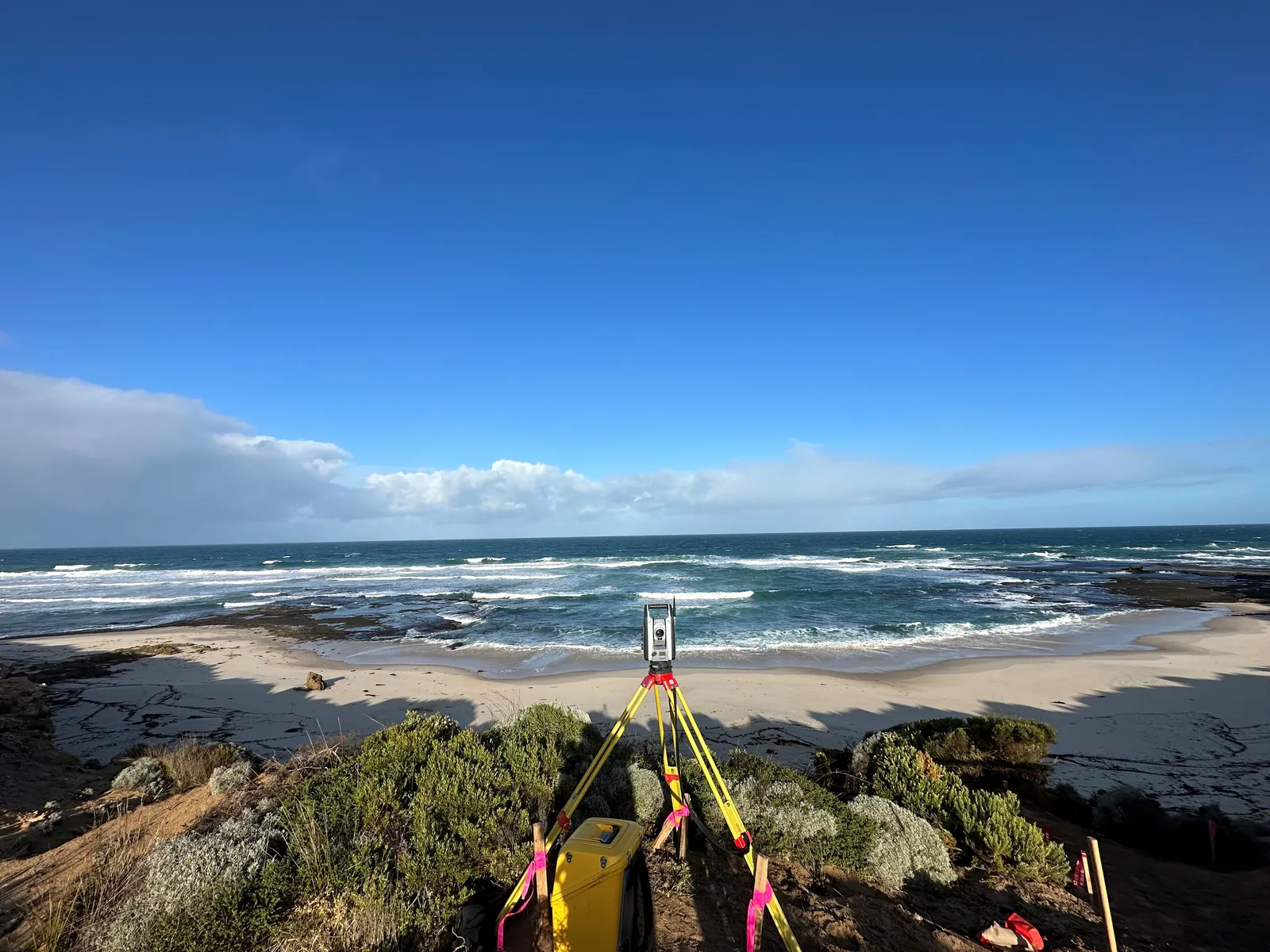
The registered plan and the fence line do not always agree. Check before you sign. Photo: Cvstr, CC BY 4.0.
Take your time over this step, because it is where your protection comes from. Your attorney will typically:
- Run a title search at the National Registry. If the seller is not the registered owner, they cannot legally sell to you.
- Check for liens, mortgages and easements. Registered debts and rights of way stay with the property and become your problem after closing.
- Check for pending lawsuits or annotations. A registered lawsuit can freeze the property or end with it being taken.
- Compare the registered survey plan (plano catastrado) with the land on the ground. If fences, walls or the house sit outside the plan, you may be buying less land than you think, or a neighbour's land. A licensed surveyor or one of the architects and surveyors in our directory can check this.
- Confirm the zoning and permitted use. If you plan to rent the property out or run a business, the zoning must allow it, or the municipality can refuse permits.
- Confirm water supply. A property without a water availability letter (carta de disponibilidad de agua) from the water provider or a registered well concession may not be buildable.
- Check that municipal property taxes are paid. Unpaid property tax stays attached to the property and can be charged to the new owner.
- If the property is held by a company, review its by-laws, books and share or quota register. If the person selling does not control the company, the sale can be challenged.
- Check that the company is in good standing, including corporate tax and the beneficial ownership filing. A company in arrears cannot register documents and closing will stall.
If you plan to renovate or build, ask local construction companies for a rough cost estimate before your due diligence period ends.
Step 5: Arrange Payment and Escrow
The purchase money should sit with a regulated escrow agent until the deed is signed. In Costa Rica, escrow companies must be registered with the Superintendencia General de Entidades Financieras (SUGEF) under anti-money-laundering law. A registered escrow agent holds the deposit and the balance in a segregated account and releases them only when the conditions in the purchase agreement are met, such as clean title and a signed deed.
Never wire purchase funds directly to a seller, an agent or an attorney's personal account. Using an unregistered escrow is a known way to lose a deposit. Check the escrow company's name on SUGEF's register of supervised entities, and confirm wire instructions by phone with a number you already know, never from an email alone.
Step 6: Close and Register the Property
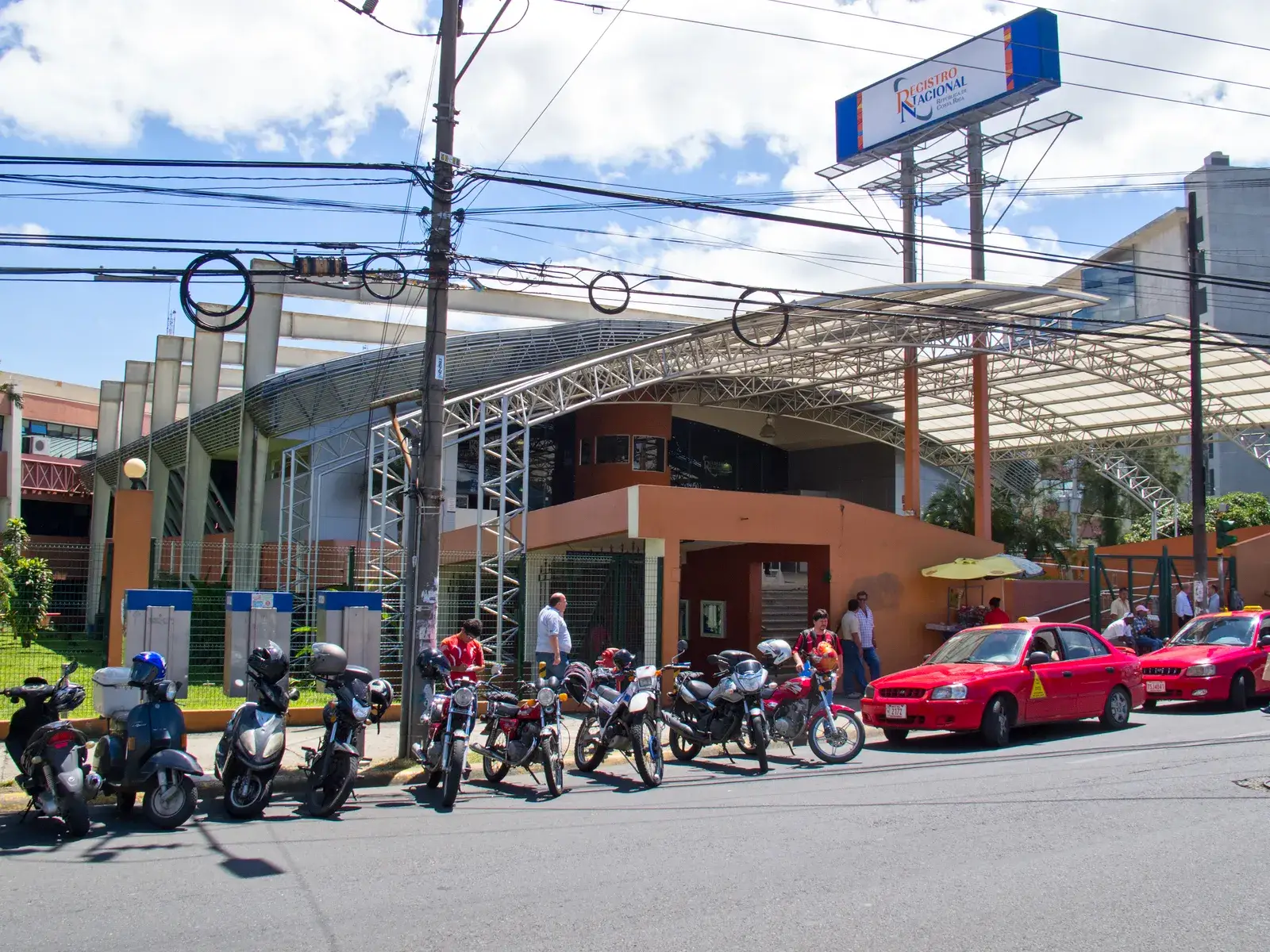
In Costa Rica the notary is also a lawyer, and files the deed at the National Registry. Photo: the Registro Nacional building in San José, Ll1324, CC0.
At closing, the seller and buyer (or their representatives under a power of attorney) sign the transfer deed (escritura pública) before the notary. The notary then pays the transfer taxes and fees and files the deed at the National Registry, and the escrow agent releases the funds to the seller according to the agreement. Registration usually takes two to six weeks. Until the deed is registered, ask your attorney to check that no other document has been filed against the property.
Closing Costs to Expect
Set aside about three and a half to five percent of the purchase price. That is the all-in figure; government transfer charges alone (transfer tax plus registry fees and stamps) usually come to 1 to 3%, with notary, legal and escrow fees making up the rest. For the taxes you pay after closing, see our guide to Costa Rica property tax. Typical items:
- Transfer tax: 1.5% of the registered value or the price, whichever is higher.
- Registry fees and stamp duties: about 0.8% to 1% combined, paid at registration.
- Notary and attorney fees: set by the Colegio de Abogados fee schedule on a sliding scale, commonly around 1% to 1.5%.
- Escrow fees: commonly US$500 to $1,500.
- Survey, title insurance and corporate set-up (optional): extra costs some buyers choose.
Buyer and seller often split the transfer tax and registry costs, but this is negotiable and should be written into the purchase agreement.
Rates change and depend on the transaction. These figures are general estimates, last verified 8 October 2026; your attorney will confirm the actual costs before you sign an offer.
What Actually Goes Wrong, and How to Avoid It
The National Registry is public and reliable, and most purchases close without trouble. These are the problems that do catch foreign buyers.
Squatter Rights and Untitled Land
Some land, particularly rural and older coastal land, is sold with derechos de posesión (possession rights) rather than registered title. You can buy these rights, but you are buying a claim, not ownership, and turning it into a title through the courts is slow and uncertain. Squatters (precaristas) can also gain rights on land left unused, and removing them can take months or years. Buy registered, titled land, and keep vacant land visibly occupied or managed.
Escrow and Payment Fraud
The most common avoidable loss is money paid to the wrong place: a deposit wired to an unregistered escrow, to a seller before checks are done, or to an account given in a spoofed email. A related risk is a double sale, where a property is sold to two buyers because the first deed was signed but never filed at the Registry. Use a SUGEF-registered escrow, and make sure your notary files the deed promptly after signing.
Boundary and Water Access Disputes
Fences in Costa Rica do not always follow the registered survey plan. A neighbour's wall may sit on your land, or your driveway on theirs, and these disputes tend to surface only after a sale. Water is the other common problem: without a water availability letter or registered well, the municipality may refuse a building permit, and shared water systems can lead to arguments with neighbours. Have the boundaries surveyed and the water rights confirmed in writing before your due diligence period ends.
What American Buyers Need to Know
- No US–Costa Rica income tax treaty. The two countries have a tax information exchange agreement, but no treaty to prevent double taxation. Foreign tax credits can still apply on your US return.
- Worldwide income. US citizens report worldwide income, including rent from a Costa Rican property and any gain when you sell.
- FBAR and FATCA. A Costa Rican bank account, or a Costa Rican company holding the property, can trigger FBAR (FinCEN Form 114) reporting when foreign accounts exceed US$10,000 in total, and FATCA Form 8938 above higher thresholds. Owning a foreign company can also require Form 5471. Speak to a US tax adviser before choosing a corporate structure.
- Wiring funds. Expect your bank and the escrow company to ask for proof of where the money came from, such as bank statements, a sale contract or investment records, under anti-money-laundering rules. Allow time for this, especially for large transfers.
- Buying without flying down. A power of attorney (poder especial), signed before a notary and apostilled in the US, lets a Costa Rican attorney or trusted representative sign on your behalf, so the whole purchase can be completed remotely.
After You Buy: Taxes, Utilities and Running Costs
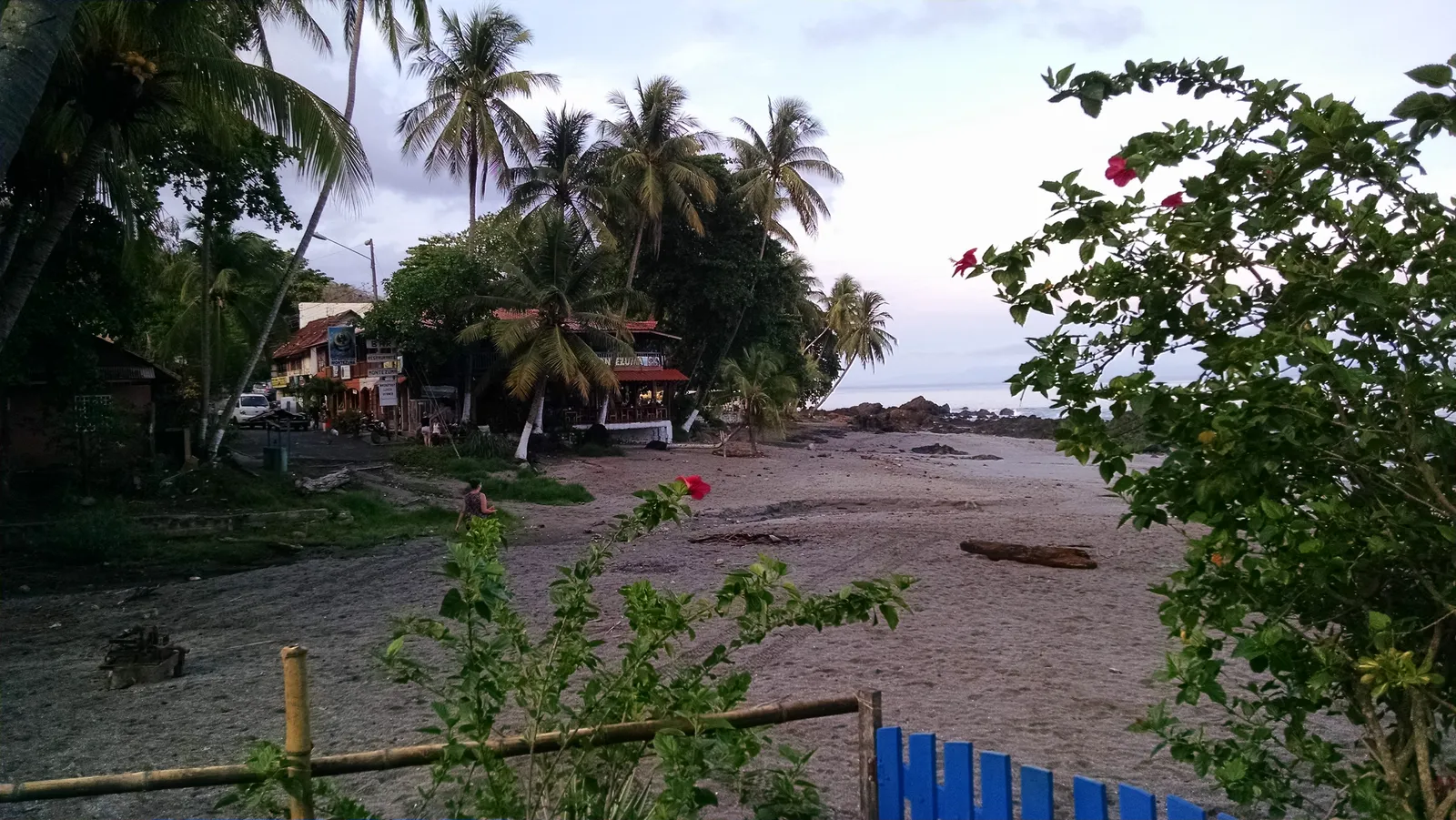
Registration is the start. Property tax, municipal fees and corporate filings follow. Photo: micah420, CC BY 2.0.
- Property tax: 0.25% a year of the registered value, paid to the municipality, usually quarterly. Owners should file an updated value declaration with the municipality periodically.
- Luxury home tax (impuesto solidario): applies to homes whose construction value is above a threshold set each year by the Ministerio de Hacienda, around 150 million colones (roughly US$290,000) in 2026. Rates run from 0.25% to 0.55%, and owners must declare it themselves.
- Municipal fees: rubbish collection, street lighting and similar services, usually billed with the property tax.
- Utilities: electricity, water and internet. Air conditioning is the biggest variable on the coast; our cost of living guide has typical monthly figures.
- Condo fees (HOA): for condos and gated communities, covering security, shared areas and pools.
- Corporate tax and filings: if the property is held in a company, the annual corporate tax and beneficial ownership declaration described above.
Buying Property in Costa Rica FAQs
Can U.S. citizens own property in Costa Rica?
Yes. U.S. citizens and other foreigners have the same property rights as Costa Ricans and can hold title in their own name or through a company. The main exception is the coastal maritime zone, where land within 200 metres of the high tide line is held by municipal concession rather than owned, and a foreigner with less than five years of residency cannot hold a majority interest in a concession.
How long does it take to complete the purchase of property in Costa Rica?
Usually around two to three months from signed offer to registered title. It can be quicker for a cash purchase with a clean title, and longer if the title has problems, a company is involved, or the property is a maritime zone concession needing municipal approval.
As an American citizen, do I need a lawyer to buy real estate in Costa Rica?
It is strongly recommended. Your own independent attorney checks the title, liens and survey plan, reviews the purchase agreement, and as a notary prepares and files the transfer deed at the National Registry. The seller's or agent's lawyer represents their interests, not yours.
Is buying property in Costa Rica risky for a foreign buyer?
The National Registry is public and reliable, and most purchases close without problems. The risks that catch foreign buyers are buying untitled land with only possession rights, squatters on vacant land, paying through an unregistered escrow or to the wrong account, a deed that is signed but not registered, and boundary or water access problems. Independent legal due diligence and a SUGEF-registered escrow reduce these risks.
How much deposit is normal when buying property in Costa Rica?
A deposit of around 10 percent of the purchase price is common. It should be held by a SUGEF-registered escrow agent, not paid directly to the seller, and the purchase agreement should say when it is refundable.
Can I buy property in Costa Rica without visiting?
Yes. With a special power of attorney signed before a notary and apostilled in your home country, a Costa Rican attorney or trusted representative can sign the purchase documents for you, so the whole process can be completed remotely.
Do I need residency to buy property in Costa Rica?
No. Residency is not required to buy titled property. It only matters for maritime zone concessions, where foreigners with less than five years of residency cannot hold a majority interest.
What happens if the seller pulls out of the sale?
It depends on the purchase agreement. A well-drafted option agreement usually requires the deposit to be returned and may set a penalty payable by the seller, and the buyer can take legal action to enforce the contract. This is one reason to have your own attorney draft or review the agreement before you pay a deposit.
Before You Sign Anything
Costa Rica's property system rewards careful buyers. Confirm whether a coastal property is titled land or a concession, insist on independent due diligence, and keep your money with a regulated escrow agent until the deed is signed. A qualified Costa Rican real estate attorney will check the title, the survey and the paperwork before you commit. When you are ready, browse properties for sale across Costa Rica, or read our renting versus buying guide if you would rather rent first.
This article is general information, not legal, tax or financial advice. Laws, tax rates and thresholds change; confirm current rules with a licensed professional before acting.
Read next
- Costa Rica Mortgages for Foreigners — how foreign buyers finance a purchase, from local banks to seller financing.
- Renting vs Buying in Costa Rica — the costs and trade-offs to weigh before you commit to buying.
Written by the editorial team at The Costa Rica List.