Costa Rica Pensionado Visa Guide for Retirees
By Written by the editorial team at The Costa Rica List — Wed Sep 02 2026
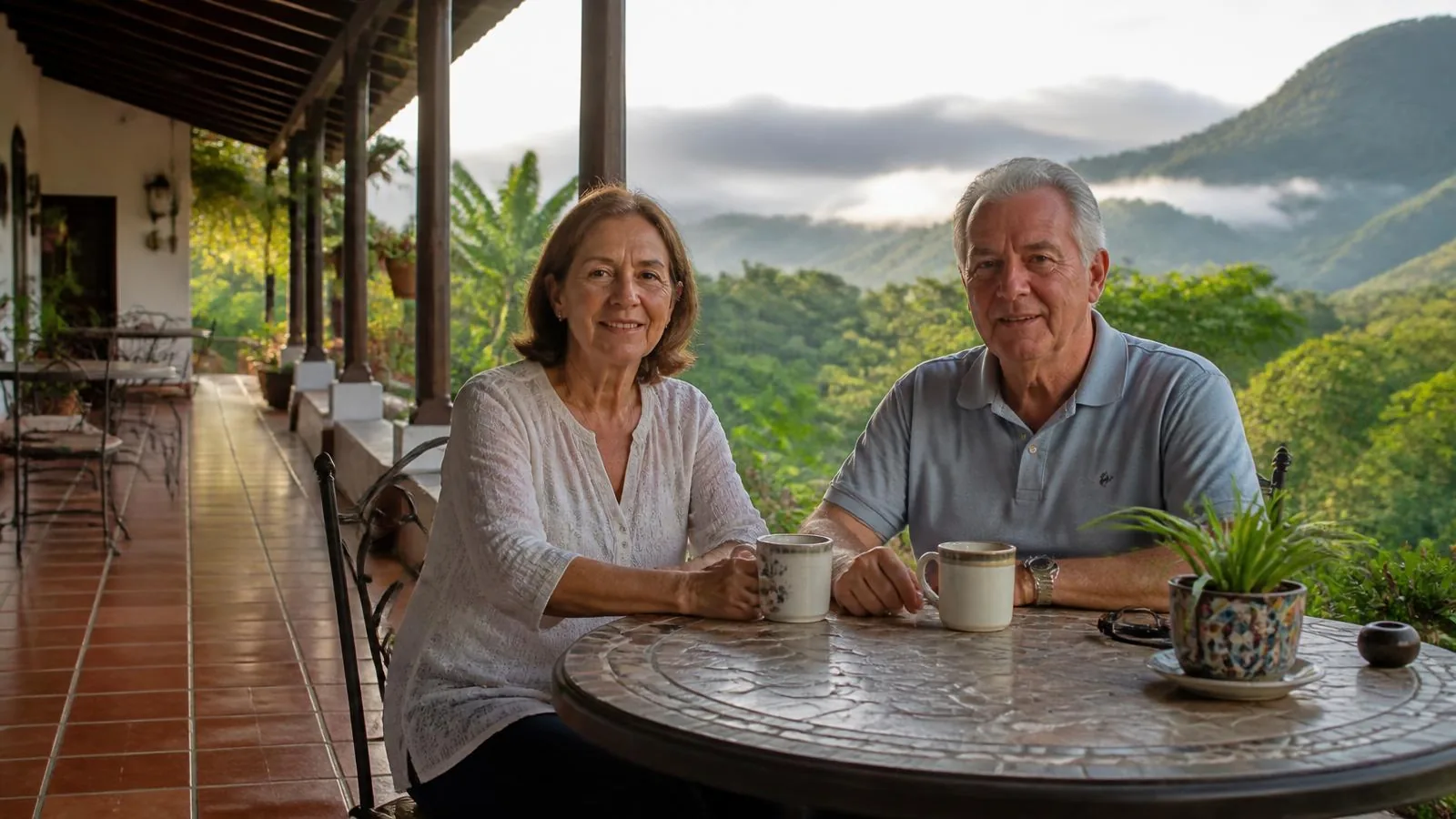
Costa Rica pensionado visa requirements, costs, processing times, taxes, healthcare and the best places to retire, verified against DGME rules.
Costa Rica is one of the most popular retirement destinations for U.S. and Canadian retirees. The country has a safe and reliable democracy, a tropical climate, good healthcare, and special residency programs built for retirees. This guide breaks down the Costa Rica pensionado visa, the rentista visa, processing times, application costs, taxes, healthcare, and the places retirees actually settle. If you are still comparing every route, including Inversionista, the digital nomad visa and residency through family ties, start with our guide to moving to Costa Rica and its residency options.
Quick answer: Costa Rica's pensionado visa requires a guaranteed lifetime pension of $1,000 per month from a single source, with no minimum age. It grants two years of temporary residency, is renewable, and leads to permanent residency after three years. A spouse and children under 25 can be included.
Last updated: September 2026 · Requirements last verified: September 2026 against the Dirección General de Migración y Extranjería (DGME).
Disclaimer: This guide is for general information and is not legal or immigration advice. Requirements are set by the Dirección General de Migración y Extranjería and can change. Confirm your situation with a licensed Costa Rican immigration attorney before applying.
What Is the Costa Rica Pensionado Visa?
The pensionado visa offers temporary residency for foreign nationals with a guaranteed lifetime pension. It is the most popular route to Costa Rica residency among retirees, because there is no minimum age, no investment requirement, and no high income threshold compared with the other programmes.
The visa is granted for two years and is renewable. You renew once, and once you have completed three years of continuous legal residency you may then apply for permanent residency — that is how a two-year permit reaches the three-year threshold.
Who Qualifies for the Pensionado Visa
- A guaranteed lifetime pension of $1,000 USD per month from a single source (Social Security, a military pension, a government pension, or a private company pension), as of September 2026.
- The income must come from one source. You cannot combine two smaller pensions to reach the minimum.
- There is no minimum age to apply.
- A married couple can generally qualify together on one spouse's $1,000 per month pension.
Costa Rica Pensionado Visa Requirements: Documents You'll Need

- Valid passport with at least six months of validity.
- Full copy of your passport, including blank pages.
- Two recent passport-style photos.
- Apostilled birth certificate.
- Apostilled police clearance certificate (criminal background check) from your home country.
- Official proof of pension income, apostilled and translated into Spanish.
- Fingerprint registration, completed in person in Costa Rica.
- Proof of registration with your home country's consulate in Costa Rica.
Documents issued outside Costa Rica must first be apostilled and then translated into Spanish by an official translator before they are submitted to the DGME.
Costa Rica Pensionado Benefits
The pensionado visa lets you live in Costa Rica after retirement, and it carries several practical benefits.
- One-time duty-free import of household goods.
- A discount on the import taxes for one vehicle.
- Access to Costa Rica's public healthcare system (CAJA) after enrolment.
- Ability to open local bank accounts and buy property in Costa Rica.
- Ability to include a spouse and dependent children under 25 on the application.
- A clear path to permanent residency after three years, and citizenship eligibility after seven years of legal residency.
Can You Work on a Pensionado Visa?
This is the most common misunderstanding about the programme. A pensionado holder may not be employed in Costa Rica. You may, however, own a Costa Rican company and receive dividends from it, and you may continue to earn income from outside the country. Taking a salaried job locally requires a different immigration status.
Processing Times: How Long Does a Pensionado Application Take?
As of September 2026, most applicants should plan for roughly eight to fourteen months from filing to approval at the DGME. Gathering and apostilling documents at home typically takes one to three months before you file. After approval you complete fingerprinting in Costa Rica and enrol in CAJA, which usually adds a further four to eight weeks before your residency card (DIMEX) is issued. Files with missing translations or expired police certificates are the single most common cause of delay.
What a Pensionado Application Costs
- Government filing fees: roughly $250 to $500 per applicant, including the change-of-status fee, the DIMEX card, and consular registration.
- Immigration attorney fees: commonly $1,500 to $2,500 for a single applicant, and more for a family file.
- Apostilles and official Spanish translations: roughly $250 to $600 depending on how many documents you need.
- CAJA monthly contribution: typically $60 to $180 per month, calculated from your reported income.
These are the costs of the application itself, and they sit on top of your monthly living budget.
Taxes for Retirees in Costa Rica
Costa Rica taxes on a territorial basis, so foreign-source income including a pension paid from abroad is generally not subject to Costa Rican income tax. Income earned from Costa Rican sources is taxable, as are Costa Rican property taxes and the annual vehicle marchamo. U.S. citizens continue to file a U.S. federal return and report foreign accounts regardless of where they live, so most retirees keep a U.S. accountant alongside a Costa Rican one. Confirm your own position with a tax professional before you move.
What Disqualifies an Application
The usual grounds for refusal are a criminal record disclosed on the police clearance certificate, pension income that cannot be documented as guaranteed and lifelong, income assembled from more than one source, or documents that were never properly apostilled. If you miss a renewal, your residency lapses: you lose the continuity that counts toward the three-year permanent residency threshold and, in most cases, have to re-apply from the beginning. Renew in the three months before expiry.
Rentista Visa Costa Rica: The Alternative for Pre-Retirees
Not everyone has a qualifying pension yet. For people who are retired without a pension, or who have consistent passive income, the rentista visa is the usual alternative.
- It requires proof of at least $2,500 USD per month in passive income (dividends, interest, or annuities) for a minimum of 24 months, as of September 2026.
- Applicants can instead satisfy the two-year income requirement by depositing a lump sum of approximately $60,000 into a Costa Rican bank account.
- The income must be passive rather than earned from active work.
- The path to permanent residency is the same as the pensionado visa: after three years.
Pensionado and Rentista Requirements at a Glance
| Program | Who Qualifies | Financial Requirement | Path to Permanent Residency |
|---|---|---|---|
| Pensionado | Retirees with a lifetime pension | $1,000/month for life | After 3 years |
| Rentista | Non-retirees with passive income | $2,500/month for 24 months (or ~$60,000 deposit) | After 3 years |
| Inversionista | Investors in business or property | From $150,000 ($100,000 for qualifying forestry projects) | After 3 years |
| Digital Nomad | Remote workers for foreign employers | $3,000/month ($4,000 with family) | Not a path to permanent residency |
Costa Rica Residency for U.S. Citizens
Costa Rica residency for U.S. citizens works the same way as for any other nationality, with a few points worth knowing.
- Most consulates accept U.S. Social Security income as qualifying pension income for the pensionado visa.
- U.S. citizens need a police clearance certificate, either an FBI Identity History Summary or a state-issued background check. Notarisation and apostille are not the same thing: an FBI Identity History Summary is apostilled by the U.S. Department of State Office of Authentications, while a state-issued document is apostilled by that state's Secretary of State.
- Consular registration in Costa Rica applies to your proof of nationality and civil-status documents such as birth and marriage certificates; the police clearance is apostilled at home rather than registered locally.
- Obtaining Costa Rican residency does not affect your U.S. citizenship.
Healthcare in Costa Rica for Expats

Healthcare is a major reason retirees choose Costa Rica. Once you hold residency, enrolment in the CAJA (Caja Costarricense de Seguro Social) is mandatory, and you pay a monthly contribution based on your reported income. Once enrolled, treatment is provided at no cost at the point of use — doctor visits, hospital stays, and prescribed medication are covered by your contribution rather than charged as co-payments. Enrolment details are published by the CCSS.
The trade-off is waiting times. CAJA care is comprehensive, but non-urgent procedures and specialist appointments can take months. That is why many expats also carry private insurance or self-pay for faster access to private clinics and hospitals in Costa Rica, particularly around San José and other areas with large expat populations.
Cost of Retiring in Costa Rica
Monthly costs vary widely by location and lifestyle. Our Cost of Living in Costa Rica 2026 guide breaks the same figures down line by line.
- A modest, comfortable lifestyle in a smaller inland town runs around $1,600 to $2,000 per month.
- Popular expat destinations call for $2,500 to $3,500 per month to cover rent, groceries, healthcare, and travel.
- Housing is the largest single bill and accounts for most of the difference between areas.
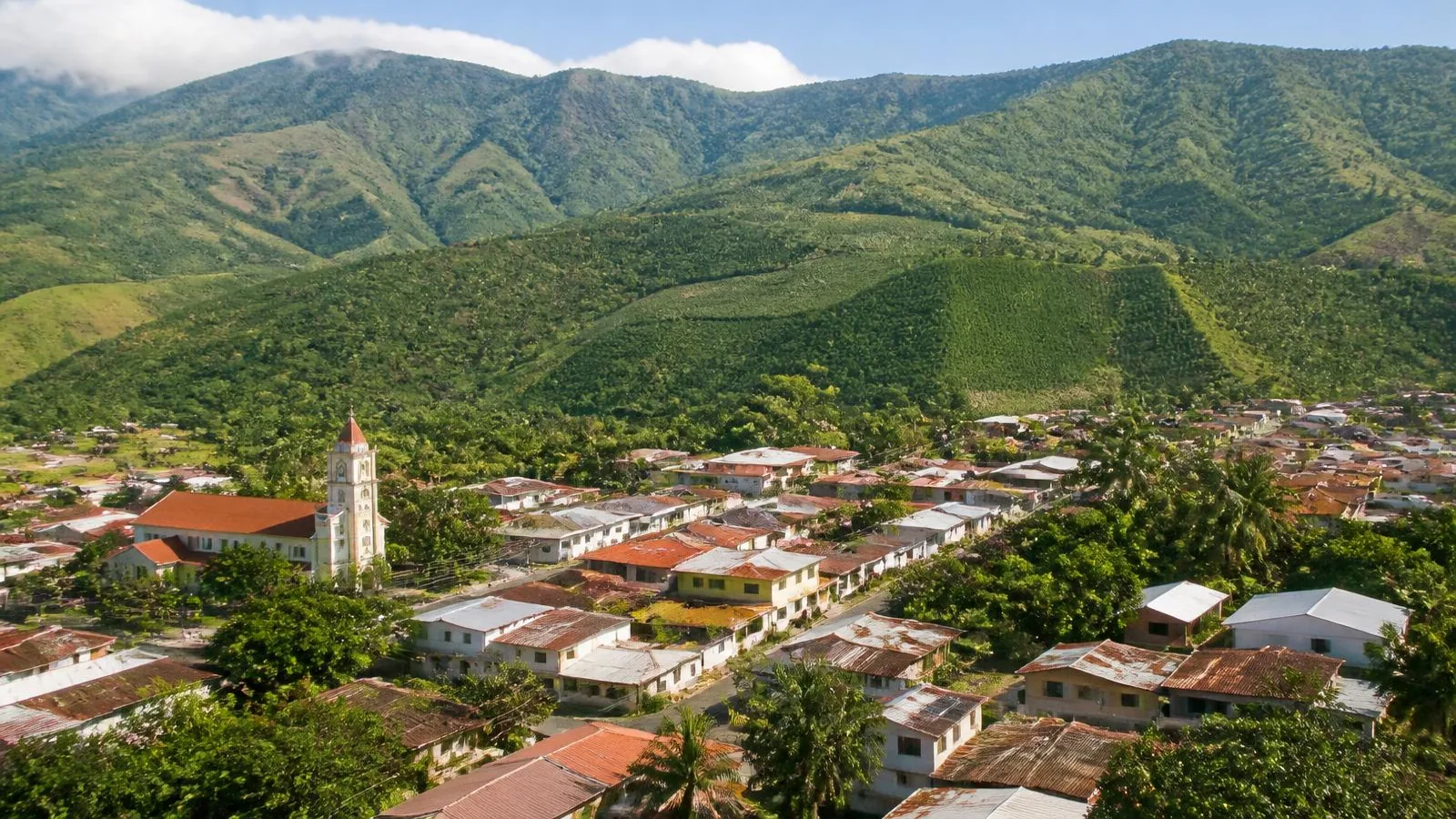
Best Places to Retire in Costa Rica
| Town or Region | Why retirees choose it | Typical monthly budget | Nearest private hospital |
|---|---|---|---|
| Atenas | Mild year-round climate and a well-established expat community | $1,800 – $2,500 | Hospital Metropolitano, Alajuela (~30 min) |
| Escazú and Santa Ana | Modern suburbs of San José with private hospitals and international schools | $2,800 – $4,000 | Hospital CIMA, Escazú (in town) |
| Tamarindo and the Guanacaste coast | Beach living with strong tourist and expat infrastructure | $2,500 – $3,800 | CEACO / Liberia hospitals (~1 hr) |
| Grecia and the Central Valley | Affordable, walkable towns with a lower cost of living than the coast | $1,600 – $2,200 | Hospital Metropolitano, Alajuela (~40 min) |
| Uvita and the South Pacific coast | Quieter, nature-focused living that draws a steadily growing expat community | $2,000 – $3,000 | Hospital Cortes / San Isidro (~1 hr) |
Costa Rica Residency FAQs
What is the minimum income for the Costa Rica pensionado visa?
You must have a lifetime pension of at least $1,000 USD per month from a single provider.
Can I include my spouse on my pensionado visa?
Yes. A spouse and dependent children under 25 years of age can typically be included with no additional income requirement.
What makes the rentista visa different from the pensionado visa?
The rentista visa is for people without a qualifying pension. It requires proof of at least $2,500 USD per month in passive income for 24 months, or a lump-sum deposit of approximately $60,000 into a Costa Rican bank account.
Does Costa Rican residency provide a route to citizenship?
Yes. After three years, legal residents may apply for permanent residency, and citizenship becomes available after seven years of continuous legal residency.
What is the quality of healthcare in Costa Rica for expats?
It is high. Residents join the public CAJA system, and many expats also use private clinics, which are of good quality and low cost compared with U.S. prices.
Do I need a lawyer to apply for residency in Costa Rica?
There is no legal requirement, but most applicants work with immigration attorneys in Costa Rica to manage documents, apostilles, translations, and DGME submissions, because filing errors add months to the process.
Disclaimer: This guide is for general information and is not legal or immigration advice. Requirements are set by the Dirección General de Migración y Extranjería and can change. Confirm your situation with a licensed Costa Rican immigration attorney before applying.
Next Steps
Start by gathering and apostilling your birth certificate, police clearance, and proof of pension at home, then have them translated into Spanish by an official translator. Appoint one of the immigration attorneys in Costa Rica to file with the DGME on your behalf, then complete fingerprinting in country and enrol in CAJA once you are approved. Many retirees also start Spanish lessons before they move, which makes the paperwork and the first year far easier.
Read next: Cost of Living in Costa Rica 2026 and Renting vs. Buying in Costa Rica.