Renting vs. Buying in Costa Rica: What Expats Need to Know
By Written by the editorial team at The Costa Rica List — Mon Aug 24 2026

Compare renting in Costa Rica vs buying property: average rent, property taxes and cost of living for expats.
Costa Rica has become an ideal spot to retire, work remotely, or live with the family. It has a stable democracy, a lot of wildlife, and the "pura vida" lifestyle. But there is one big question that most people ask before everything else: should you rent or buy when moving to Costa Rica?
This guide walks through the practical, financial, and legal sides of renting in Costa Rica, including average rent, property prices, taxes, and the pros and cons of each path, so you can make a confident, well-informed choice.
This is to help you make the best possible choice.
Quick answer: Renting is cheaper and more flexible for your first 6–12 months in Costa Rica. Buying tends to pay off after about five years, once equity and appreciation outweigh closing costs and ongoing fees — especially in Guanacaste and the Central Pacific.
Why Housing Decisions Matter for Expats in Costa Rica
Unlike most countries, Costa Rica imposes very few restrictions on foreign property ownership. As an expat, you can legally own property with the same rights of a Costa Rican citizen, with one exception in the Maritime Zone (the first 200 meters from the high-tide line), in which special concession rules apply. This attracts many people to buy early, but it also means people purchase property without understanding the local market or neighborhoods, and without any consideration of their long-term plans.
Renting in Costa Rica: Flexibility First
What is the Average Rent in Costa Rica?
The average rent varies significantly by region and property type.
| Location | Property Type | Estimated Monthly Rent in Costa Rica (USD) |
|---|---|---|
| San José / Central Valley | 1-bedroom apartment | $500 – $800 |
| San José / Central Valley | 3-bedroom house | $900 – $1,500 |
| Guanacaste (beach towns) | 2-bedroom condo | $1,000 – $2,000 |
| Southern Zone (Uvita, Dominical) | 2-bedroom house | $700 – $1,300 |
| Caribbean Coast | 2-bedroom house | $600 – $1,100 |
Note: Always confirm current monthly rent in Costa Rica with a local agent before you make a move.
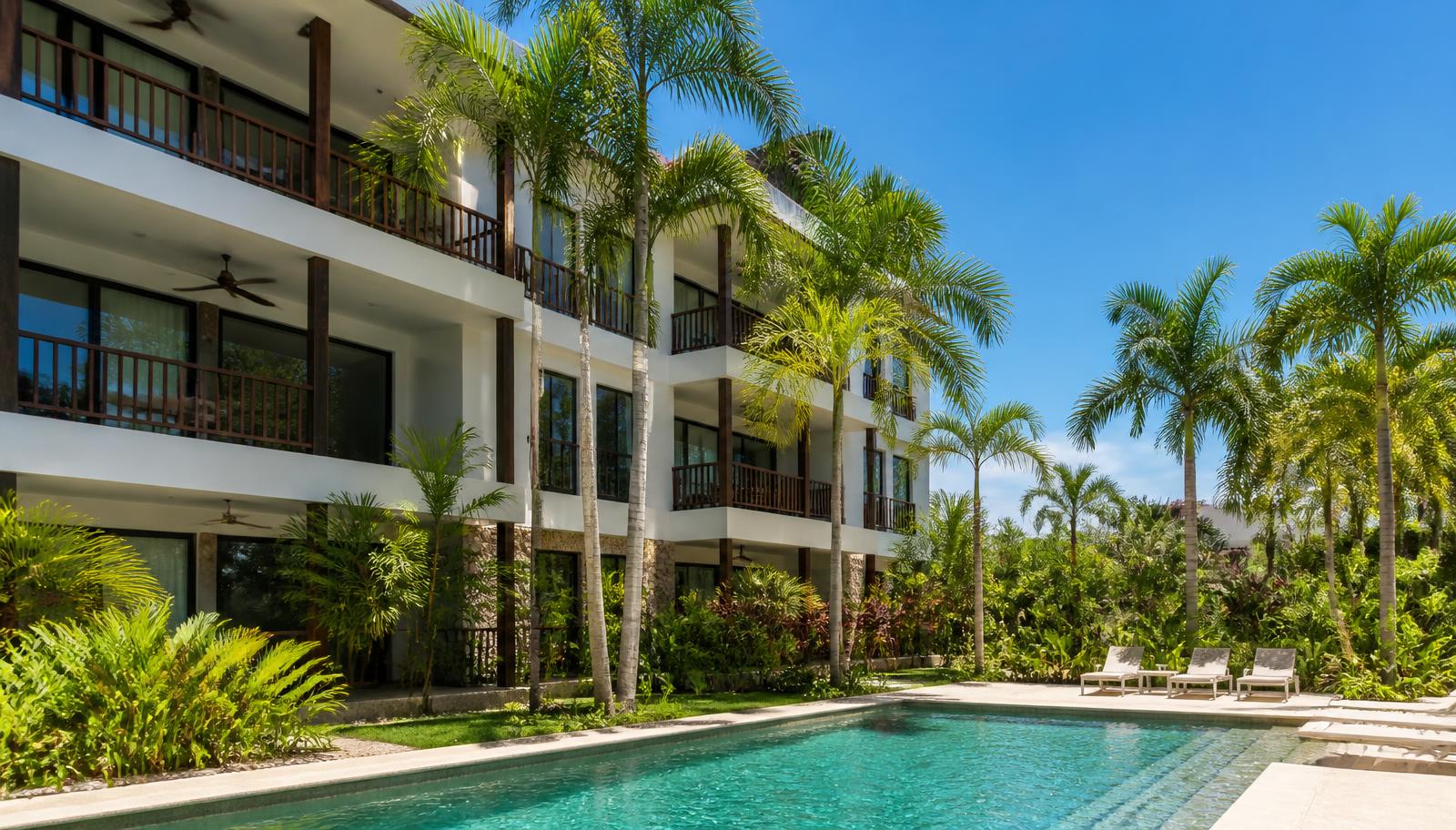
Pros of Renting a House in Costa Rica
Most relocation experts recommend renting as the first step for new arrivals. It's a safe way to check out the different regions of Costa Rica like the Central Valley, the Nicoya Peninsula, the Caribbean Coast, or the Southern Zone, before settling on a permanent location. Because of how easy it is to move, renting while searching for the right location is the best way to know the country.
Lower cost to get in: A rental requires a deposit of 1–2 months rent, while the costs associated with buying a house are much greater.
Flexibility: Most leases range from 1–3 years, allowing more flexibility in moving should the climate or surrounding neighborhood(s) not meet your needs.
No maintenance surprises: A landlord is responsible for the roof and major repairs to the house.
Easier exit: The responsibilities associated with selling a home are much greater, and therefore more bothersome if the need to move arises.
Challenges with Renting
- Rent payments produce no equity.
- Beach towns and suburbs in the Central Valley can have very little long-term rental inventory.
- Reviewing a rental contract is essential as landlords often have different terms for renewal periods and charges for rent increases.
Buying Property in Costa Rica: Building Equity and Roots
Costa Rica Property Prices
The cost of buying a house in Costa Rica might differ based on the locality you choose to settle in, beach access, property's age, and many other factors you should consider.
| Location | Property Type | Approximate Price Range (USD) |
|---|---|---|
| San José / Central Valley | 3-bedroom home | $150,000 – $300,000 |
| Guanacaste (beach areas) | 2-bedroom condo | $200,000 – $450,000 |
| Southern Zone | Home with land/views | $250,000 – $600,000+ |
| Caribbean Coast | 2-bedroom home | $150,000 – $350,000 |
Pros of Buying for Expats
The most reasonable time to buy is after you have spent some time in the country and know the location, lifestyle, and have a long-term plan.
Equity and appreciation: The real estate market, especially the Central Pacific and Guanacaste's best-known beach towns, have appreciated over the years.
Rental income potential: The cost of ownership can be recouped by renting the property on a short-term basis.
Stability: Once a property is purchased, there is no landlord to negotiate with and there is no risk of a lease not being renewed.
Titled land ownership: Most property outside of the Maritime Zone is "fee simple" titled, which gives strong protective legal rights.
Challenges in Buying Property by Expats
Closing costs: Prepare to spend extra on legal work, transfer taxes, and registration. Government transfer charges alone are usually 1 to 3% of the price, and all-in closing costs including notary and legal fees run about 3.5 to 5%; see our property tax guide for what each figure covers.
Due diligence complexity: A title search, boundary survey, and water/utility verification are necessary and should be done by an independent local attorney (do not trust the seller's agent).
Liquidity: Selling a property can be time-consuming, particularly in less tourism-centric areas.
Ongoing costs: In addition to property taxes, there are HOA fees and the cost of maintenance.
Renting vs Buying Property: Side-by-Side Comparison
| Factor | Renting | Buying |
|---|---|---|
| Upfront cost | Low (1–2 months' deposit) | High (purchase price + closing costs) |
| Flexibility | High — easy to relocate | Low — selling takes time |
| Legal complexity | Minimal (review lease terms) | Significant (title search, notary, registration) |
| Maintenance responsibility | Landlord | Owner |
| Equity building | None | Yes, over time |
| Best for | New arrivals, short-term stays, testing regions | Long-term residents, retirees, investors |
| Exit process | Simple | Can be slow depending on market |
| Ongoing costs | Rent only | Property tax, HOA/maintenance fees, insurance |
Property Taxes in Costa Rica
Property tax is one of the lowest ongoing costs of owning in Costa Rica: 0.25% of registered value a year, paid to the local municipality, the same for foreigners and citizens. Higher-value homes may also owe a national luxury home tax, and owners who rent or sell face income tax on the proceeds. Our full guide to Costa Rica property tax covers all five taxes an owner can face, with current rates and thresholds.
Legal Considerations for Buying Property in Costa Rica as a Foreigner
Foreigners living outside Costa Rica do not need to obtain residency to buy property there, but there are some steps that cannot be avoided:
Please note: This article is general information, not legal or financial advice. Consult a licensed Costa Rican attorney before signing any lease, purchase agreement, or corporate structure.
Use an Independent Attorney
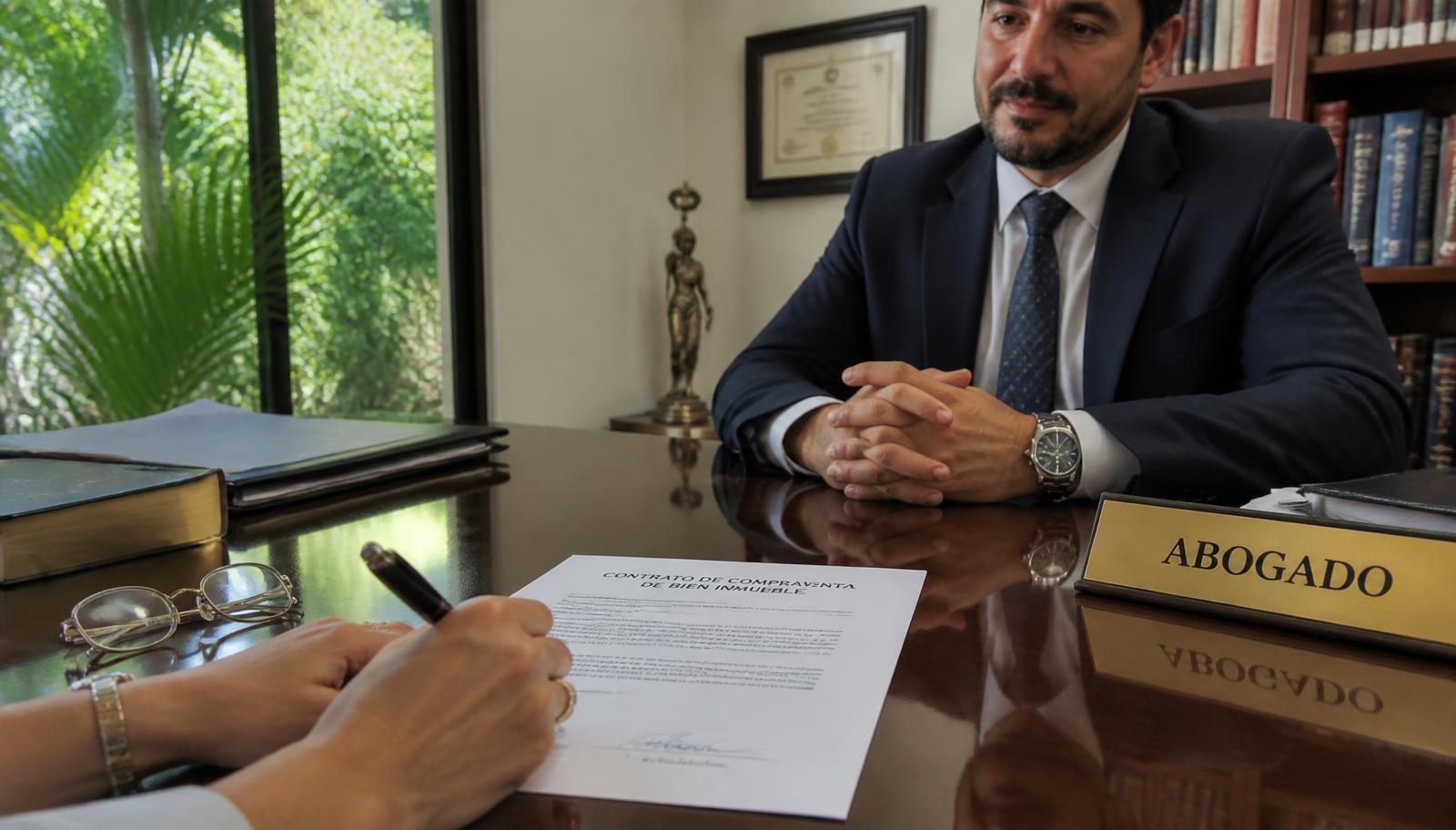
Do not use the seller's attorney. An independent Costa Rican real estate attorney will do a title search with the National Registry (Registro Nacional) to verify there are no liens against the property and confirm boundaries.
Learn About Corporate Structures
Many titles are held under a corporation (Sociedad Anónima or S.R.L.). This can simplify a future sale of the property as well as offer potential liability protection, but it adds a level of due diligence.
Examine the Maritime Zone Restrictions
Properties within the Maritime Zone — the first 200 meters from the high-tide line — are held under concession, not fee-simple title. Foreign ownership of those concessions is restricted and requires special legal structures under Costa Rica's Maritime Terrestrial Zone Law (Ley 6043), administered with the Costa Rican Tourism Board (ICT).
Cost of Living in Costa Rica for Expats: How Housing Fits In
As of 2026, single expats living in Costa Rica should budget around $1,600 to $2,200 per month. Couples can expect to pay $2,500 to $3,500 per month.
Those figures cover housing, groceries, transport, utilities, and a basic private health plan. Prime beach communities such as Tamarindo, Nosara, and Santa Teresa can easily run $3,000 or more a month, while Atenas, Grecia, and San Ramón in the Central Valley cost meaningfully less.
For a full line-by-line breakdown, see our cost of living in Costa Rica 2026 guide.
How to Make the Best Decision for Your Situation
The typical advice from relocation advisors is to rent for at least six months to a year first. Renting first lets you experience rainy-season traffic, internet reliability, health services, and community fit — none of which you can judge on a short vacation.
If you can see yourself staying in one region for five or more years, and especially if you want rental income from the property, buying starts to make financial sense.
Costa Rica Real Estate FAQs
Do foreigners in Costa Rica have to obtain residency to buy property?
No, foreigners do not need residency to buy property in Costa Rica. As long as you are not purchasing land inside the Maritime Zone, foreigners have the same right to purchase and own land as a Costa Rican citizen.
Which is more cost efficient, renting or buying, in Costa Rica?
In Costa Rica, renting is more economical than buying in the short term. After about 5 years, buying typically becomes more cost-efficient than renting, since the equity and property value gains start to outweigh the upfront costs.
What is the average length of a typical lease in Costa Rica?
Long-term residential leases in Costa Rica average one to three years and often include an automatic renewal clause. Short-term and vacation leases are very different in price and structure from residential leases.
What should I expect in closing costs in Costa Rica?
Notary fees, registration costs, transfer tax, and attorney fees are all costs a buyer should plan for in Costa Rica. The actual amount depends on the price and location of the property, and your attorney should provide a written estimate before you sign.
Do you need to have a Costa Rican bank account to rent or buy in Costa Rica?
A Costa Rican bank account is not required to rent or buy. However, landlords and sellers often prefer local transfers, and a local account is useful for recurring costs such as rent, utilities, and annual property taxes.
Final Thoughts
It is a good idea to allow time to check out the areas of Costa Rica and to work with some good local professionals. Allow your housing to fit your lifestyle, and not the other way around.