Costa Rica Wildlife Guide: Where to See Sloths, Toucans & Monkeys
By Written by the editorial team at The Costa Rica List — Fri Sep 18 2026
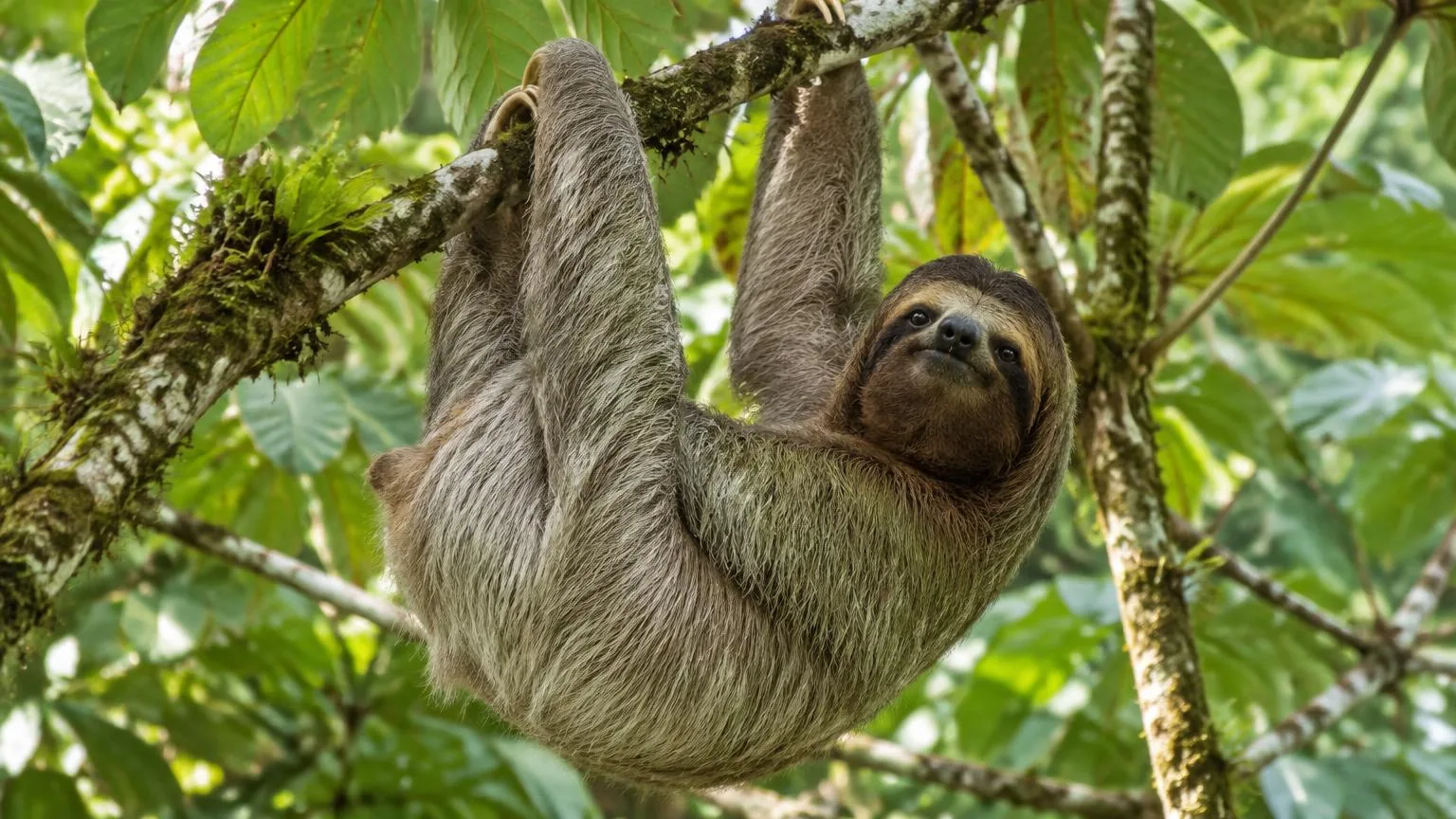
See Costa Rica wildlife up close — where to find sloths, monkeys, and toucans, top national parks, sanctuaries, and the best time to visit.
Only a handful of countries give you the chance to get this up close and personal with nature without breaking the bank. Costa Rica wildlife is famously abundant and easy to plan a trip around. Whether you have a week or even three days, you can plan your wildlife adventure. This guide gives you the best places to find Costa Rica's most popular animals, the best time of day and year to look for them, and what each national park costs to enter.
Quick answer: Manuel Antonio is the easiest park for seeing sloths and monkeys on one short visit. Corcovado has the widest range of species but requires a certified guide and advance booking. Toucans are easiest around La Fortuna and Arenal. The dry season, December to April, is the best window, and dawn is the best hour.
Last updated: September 2026 · Park rules and fees last verified: September 2026 with SINAC. Entry fees, opening hours and guide requirements change annually, so confirm before you travel.
What Animals Live in Costa Rica
Despite covering just 0.03% of the planet's surface, Costa Rica holds habitats for around 500,000 species, close to 5% of the world's total, according to SINAC, the national parks service. Some of the country's most famous animals include two-toed and three-toed sloths, four species of monkey, six species of toucan and toucanet, scarlet macaws and poison dart frogs, alongside hundreds of resident and migratory birds.
That density comes from the country's range of ecosystems. Rainforest, cloud forest, mangrove and coastline sit within a few hours of each other, so a traveller can move between completely different habitats in a single short drive.
Where to Spot Each Animal: Quick Reference
| Animal | Best parks | Best time of day | Best season | How hard to spot | Guide needed? |
|---|---|---|---|---|---|
| Three-toed sloth | Manuel Antonio, Cahuita, Tortuguero | Morning | Dec–Apr | Easy with a guide, hard without | Recommended — a spotting scope makes the difference |
| Mantled howler monkey | Monteverde, Nicoya Peninsula, Cahuita | Dawn | Year-round | Easy — heard before seen | No |
| White-faced capuchin | Manuel Antonio, Carara, Corcovado | Morning to midday | Year-round | Easy | No |
| Central American spider monkey | Corcovado, Tortuguero | Morning | Dec–Apr | Moderate | Yes in Corcovado |
| Central American squirrel monkey (endangered) | Manuel Antonio, Corcovado, Osa Peninsula | Morning | Dec–Apr | Moderate — central and south Pacific coast only | Recommended |
| Keel-billed and yellow-throated toucans | Arenal and La Fortuna, Cahuita, Tortuguero | Early morning | Year-round | Easy | No |
| Scarlet macaw | Carara, Osa Peninsula | Dawn and late afternoon | Dec–Apr | Easy in Carara | No |
| Resplendent quetzal | Monteverde, Talamanca highlands | Dawn | Feb–Jul nesting season | Hard | Yes — local guides track nesting trees |
Where to See Sloths in Costa Rica
Sloths are the most popular animal for visitors to spot, and they are fairly easy to find if you know what you are looking for. They live in the coastal and lowland rainforests, and they move even slower than other animals, which means guides with a spotting scope usually find one within the first hour or two of a walk.
Manuel Antonio National Park is one of the premier locations, thanks to dense coastal trails and consistently reliable sloth spots. Cahuita National Park on the Caribbean side is also good, as are the canals of Tortuguero, where sloths are regularly seen on branches hanging over the water.
Sloth Sanctuary Costa Rica
The Sloth Sanctuary of Costa Rica near Cahuita is the country's best-known sloth rescue and rehabilitation centre. Sightings there are close to certain, since the sanctuary is home to rescued sloths that cannot survive in the wild. Guided tours, including its canal boat tour, run most days, though schedules change seasonally, so check the current timetable before you drive out. It works well as a back-up if a wild sighting has not happened by the end of your trip.
Where to See Monkeys in Costa Rica
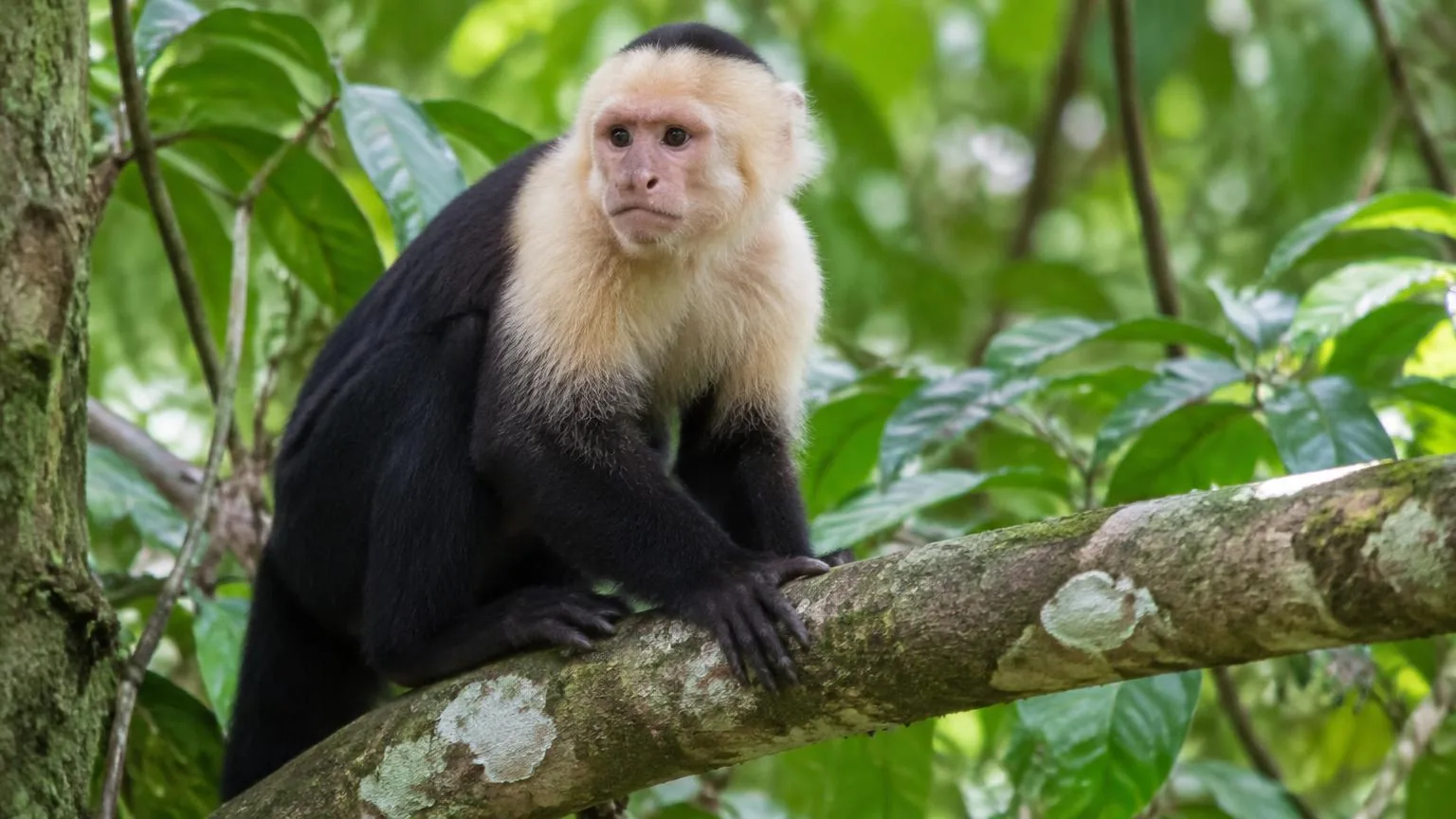
Costa Rica is home to four species of monkey: white-faced capuchins, mantled howler monkeys, Central American spider monkeys and the endangered Central American squirrel monkey. Where you find them depends on the species, which makes monkey-watching one of the most active wildlife experiences in the country.
Manuel Antonio National Park hosts capuchins in numbers, along with squirrel monkeys. The Central American squirrel monkey is endangered and restricted to the central and southern Pacific coast, which covers both Manuel Antonio and Corcovado, so it is a realistic sighting in either but not elsewhere in the country. For the widest range of species, head to Corcovado National Park on the Osa Peninsula, which holds all four monkeys along with tapirs and scarlet macaws. Monteverde and the Nicoya Peninsula are howler monkey country, and howlers are the source of the dawn chorus Costa Rica is famous for — they announce themselves loudly every morning, and often again at dusk.
Where to See Toucans in Costa Rica
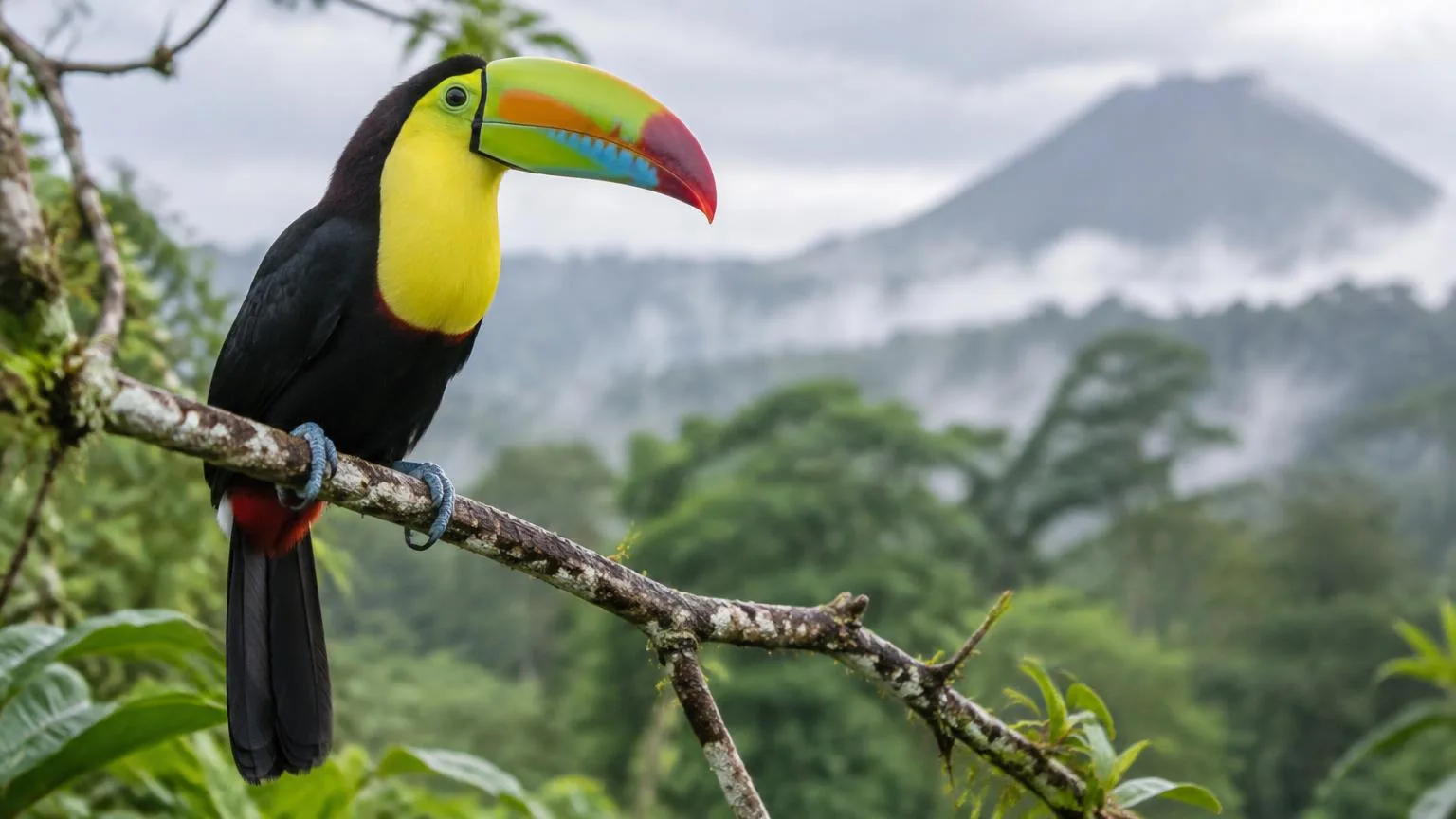
With their unique shape and vibrant colour, toucans are easy to spot, and Costa Rica is well known for them. In the north of the country, the yellow-throated toucan (formerly the chestnut-mandibled toucan) and the keel-billed toucan perch at forest edges and in fruiting trees.
The Arenal Volcano area and the nearby town of La Fortuna mix farmland with forest, which makes toucan spotting straightforward; our La Fortuna and Arenal guide covers where to base yourself. The Monteverde Cloud Forest is quetzal territory, so it works as a two-in-one stop for birders. On the Caribbean coast, Cahuita and Tortuguero are both strong toucan spots, especially in the first hours after sunrise.
Costa Rica Birds Beyond Toucans
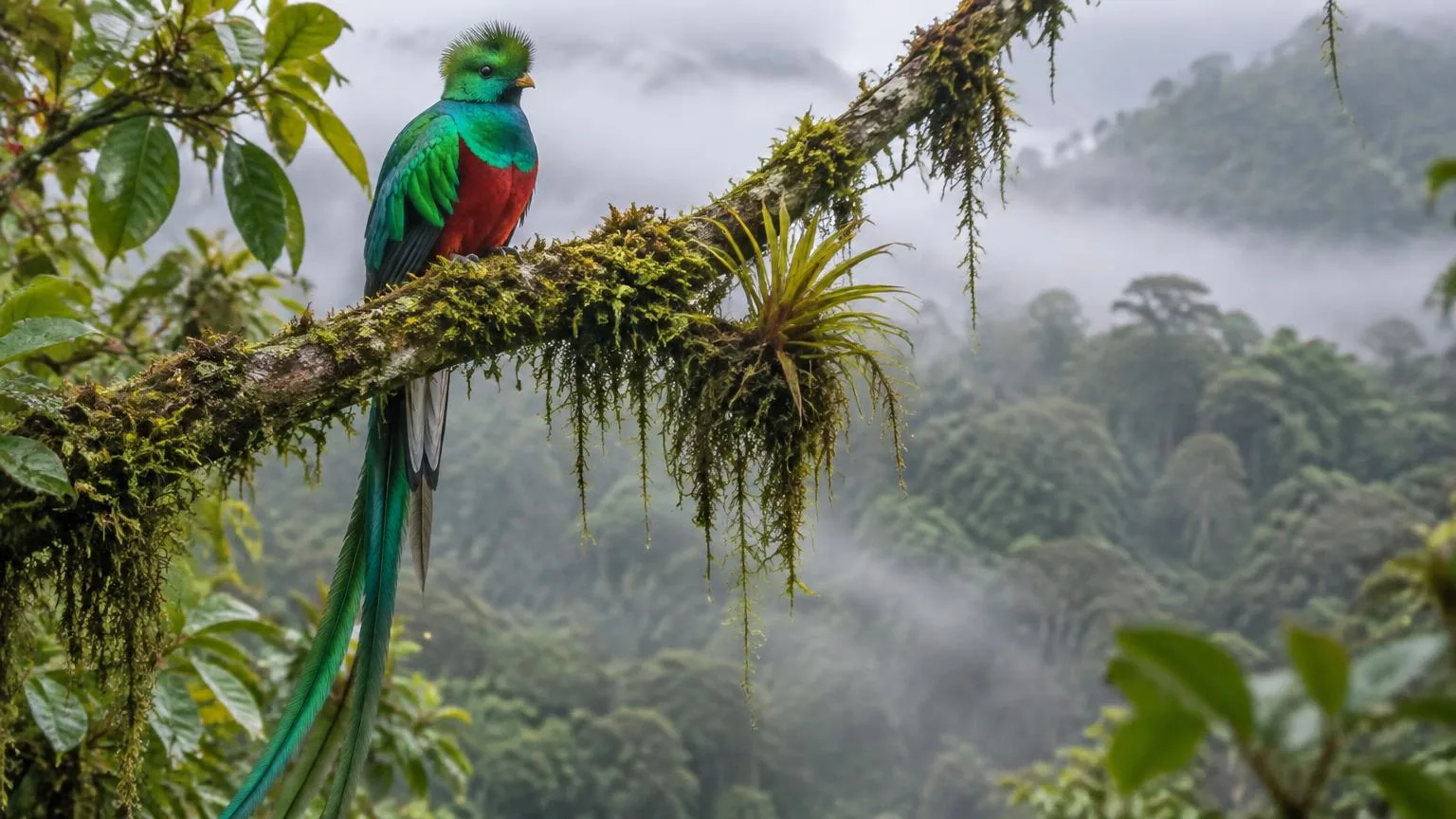
Costa Rica's birdlife draws birders far beyond its toucans. Scarlet macaws fly over Carara National Park and the Osa Peninsula, quetzals nest in Monteverde and the Talamanca highlands, and hummingbirds, tanagers and motmots are everywhere in between. Almost 900 bird species have been recorded in the country, making it a neotropical birdwatching destination of the first rank. Many lodges offer dedicated birding tours, usually timed for sunrise.
Dangerous Animals in Costa Rica
Most animals in Costa Rica will let you watch them from a safe distance, but it pays to know which ones deserve caution. The fer-de-lance (Bothrops asper) and the eyelash pit viper (Bothriechis schlegelii) are the snakes of most concern, though bites are rare among visitors who stay on marked trails. Bull sharks and crocodiles inhabit some river estuaries, so check local swimming conditions before entering the water. Africanized bees and scorpions belong on the same list. None of these present much risk to a traveller who stays on the path, wears closed-toe shoes and walks remote trails with a guide.
Best Time to See Wildlife in Costa Rica
The best time to see wildlife in Costa Rica is the dry season, from December to April, when trails are easier to hike and animals cluster around the remaining water sources. February and March are the peak weeks within that window. The green season, May to November, has its own draws: fewer visitors, lush foliage and nesting birds.
Costa Rica Wildlife Tours
Independent hiking is permitted in most national parks. Corcovado is the exception: SINAC requires every visitor to enter with a certified guide, and both the entry permit and the guide must be booked in advance, as daily visitor numbers are capped. Elsewhere, naturalist-guided wildlife tours are still the best way to see more than you would alone. Guides carry spotting scopes, stay in radio contact with other guides about what has been seen that morning, and can pick out well-camouflaged species that are effectively invisible to an untrained eye. In Tortuguero, most wildlife viewing happens from the water, so plan on canal boat trips rather than trails.
Park Entry, Fees and Booking
Figures below are for non-resident adults and are current as of 2026. Fees, hours and closing days are set by SINAC and change annually; the Monteverde reserve is privately managed rather than a national park. Always confirm on the official site before travelling.
| Park | Entry fee (non-resident adult) | Hours | Closing day | Advance booking | Guide mandatory? |
|---|---|---|---|---|---|
| Manuel Antonio | About $18 | 7:00–16:00 | Closed one day a week — confirm with SINAC | Required — timed online tickets, daily cap | No |
| Corcovado | About $15 plus guide fee | 7:00–16:00 by sector | Open daily, sector capacity limits apply | Required, often weeks ahead in dry season | Yes — certified guide required |
| Tortuguero | About $17 | 6:00–16:00 | Open daily | Recommended; turtle-nesting tours must be booked | Yes for night turtle tours |
| Cahuita | Donation at Playa Blanca; about $10 at Puerto Vargas | 8:00–16:00 | Open daily | Not required | No |
| Carara | About $10 | 7:00–16:00 | Open daily | Recommended in high season | No |
| Monteverde Cloud Forest Reserve (private) | About $25 | 7:00–16:00 | Open daily | Required — daily visitor cap | No, but recommended for quetzals |
Costa Rica Wildlife FAQs
What is the best Costa Rica national park for wildlife?
Corcovado National Park is the most biodiverse park in Costa Rica and the best single choice for wildlife. Travellers short on time do better at Manuel Antonio, which offers easy access to both monkeys and sloths.
Are guided tours required to see Costa Rica wildlife?
A certified guide is mandatory in Corcovado and must be booked in advance. In every other park in this guide, wildlife viewing is possible without a guide, though naturalist-led tours have a much higher success rate with elusive species.
Can you see monkeys and sloths in the same park?
Yes. Manuel Antonio, Corcovado and Tortuguero all offer the chance to see both monkeys and sloths on the same visit.
Is there anything I should be afraid of while hiking in Costa Rica?
Hiking in Costa Rica is relatively safe. Take three precautions: stay on marked trails, wear closed-toe shoes rather than sandals, and book a certified guide for remote routes such as Corcovado. Those three steps cover almost all snake and wildlife risk.
What month has the best wildlife in Costa Rica?
The dry season runs from December to April, and February and March are the peak months within it for wildlife viewing. Wildlife can be seen year-round, including through the green season from May to November.
Planning Your Wildlife Trip
The simplest route for a first trip is one Pacific park and one Caribbean park: Manuel Antonio or Corcovado on one coast, Cahuita or Tortuguero on the other, with Arenal and La Fortuna in between for toucans. Book guides and park tickets ahead in dry season, because Manuel Antonio, Monteverde and Corcovado all cap daily numbers, and start every day at dawn — the difference between a 6am and a 10am walk is the whole trip. Base yourself in Manuel Antonio for the central Pacific or Dominical for the south, then slot the parks into a wider route with our 10-day Costa Rica itinerary.