Corcovado National Park: Costa Rica's Last Great Wilderness (Osa Peninsula Guide)
By The Costa Rica List editorial team — Tue Aug 18 2026
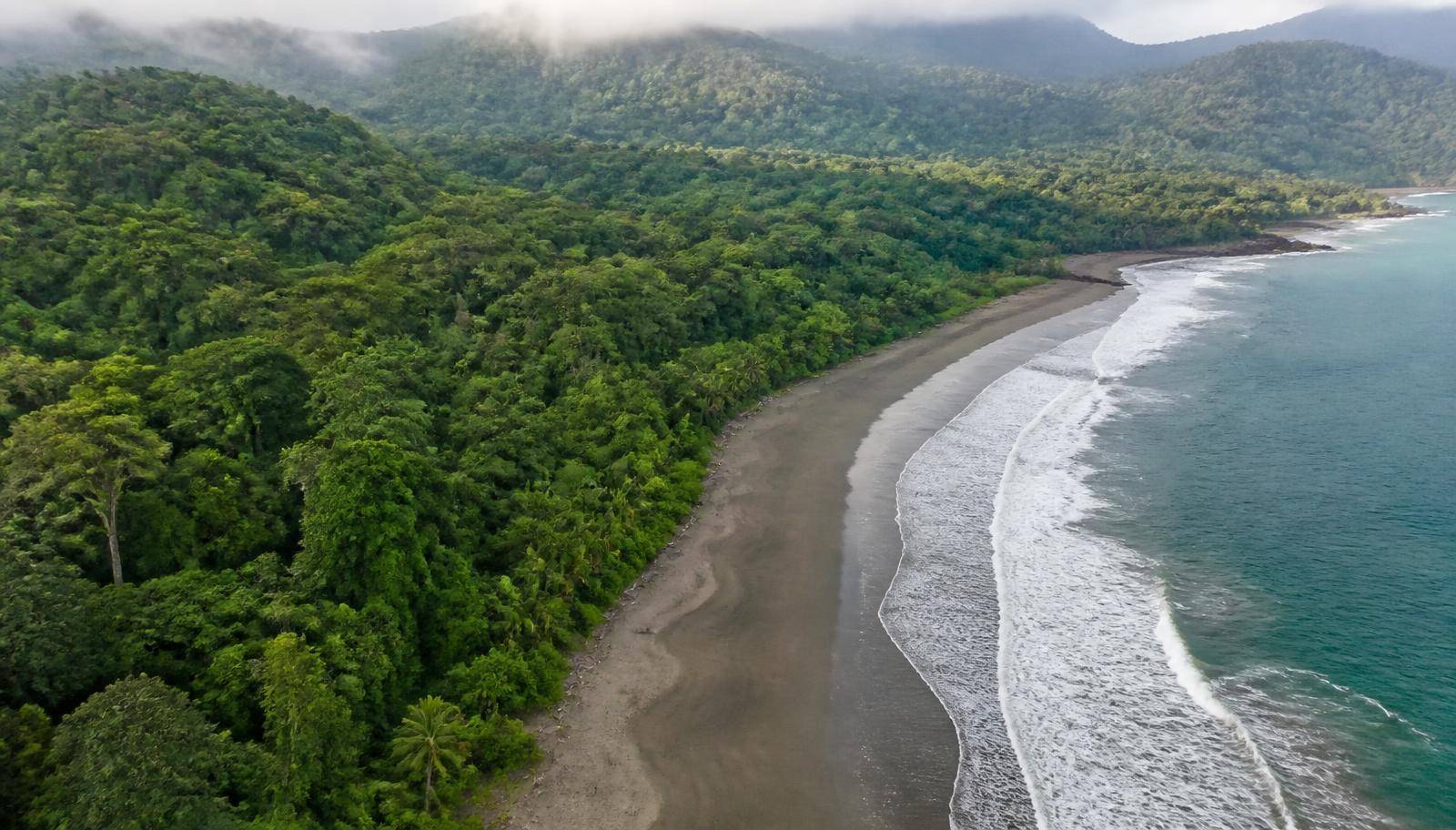
A guide to Corcovado National Park on Costa Rica's Osa Peninsula — wildlife, biodiversity, permits, ranger stations, and how to visit with a licensed guide.
Corcovado National Park is one of the most biodiverse and wildly remote areas in the world, situated in Southwestern Costa Rica along the secluded Osa Peninsula.
Corcovado National Park, meaning "crowned garden" in Portuguese, covers one of the last continuous stretches of Pacific Lowland Rainforest in Central America. National Geographic once called it "the most biologically intense place on Earth," and after visiting, it is easy to see why.
This guide covers everything visitors need to know about planning a trip to Corcovado National Park, including permits, wildlife sightings, wilderness trails, and how to hire guides.
Quick answer: Corcovado National Park on Costa Rica's remote Osa Peninsula is one of the most biodiverse places on Earth. A licensed guide and an advance permit are required to visit, and La Sirena Ranger Station offers the best wildlife viewing in the park.
What is So Special about Corcovado National Park and its Abundant Wildlife?
Corcovado National Park spans an impressive 100,000 acres of primary, lowland rainforest. It is found on the remote and vast Osa Peninsula of South Western Costa Rica.
Costa Rica placed the first legal protections on this land in 1975 and little has changed since. Today, the Park is home to over 500 species of towering trees, 140 species of land mammals, and 375 species of singing birds.
Because much of the Park is remote and difficult to access, the wildlife here is quite different and naturally wild in its behaviors compared to wildlife from more frequently visited and developed areas. This is particularly true as many of the native songbirds and the birds of prey are nocturnal and are therefore rarely seen.
Wildlife You Can Spot on a Corcovado Wildlife Tour
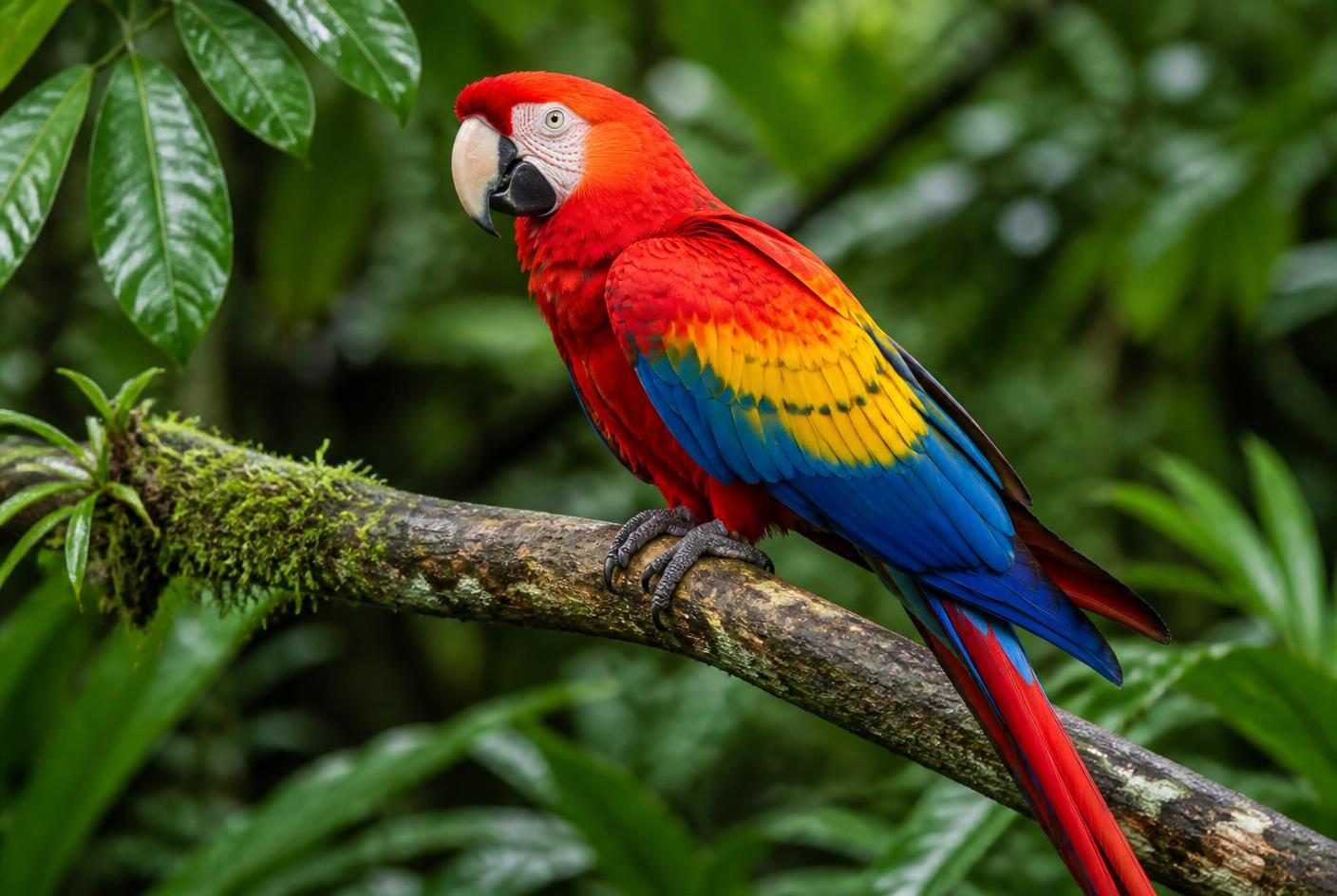
Most travelers take a Corcovado wildlife tour, and for good reason. The park is home to some of the last wild populations of Costa Rica's primates. Corcovado is also a great destination to see several of the Baird's tapirs that are found in Central America.
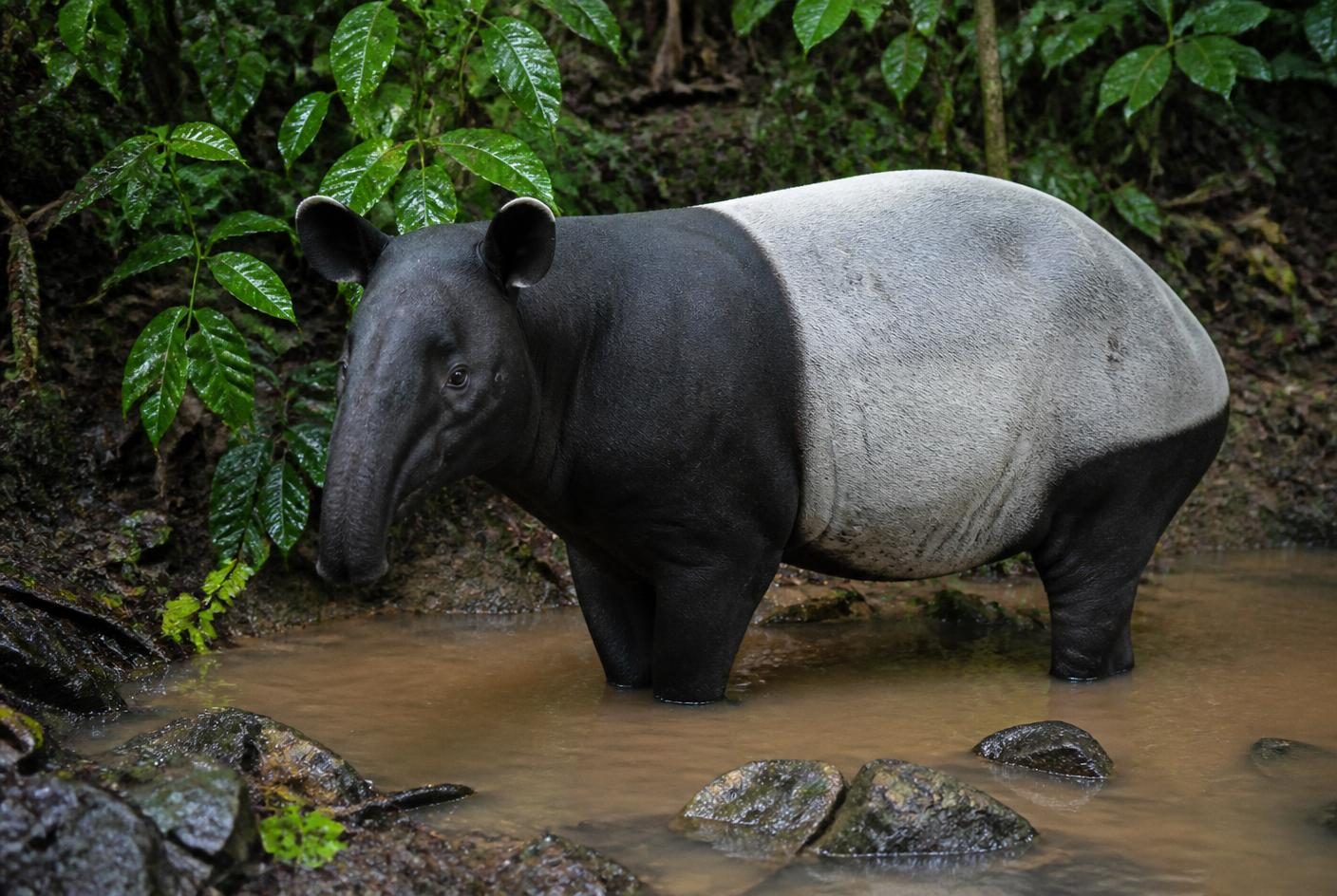
Corcovado is also home to many of the endangered species that exist in Costa Rica, and are the major reason why first-time tourists visiting the country never miss a chance to take a wildlife tour of Corcovado.
Other animals that are commonly seen here include scarlet macaws, toucans, poison dart frogs, and American crocodiles along the riverbanks. Corcovado is also home to several jaguars and pumas, but due to their absolutely elusive nature, it is generally rare to see them on wildlife tours of Corcovado.
Best Time for Wildlife Sightings at the Corcovado National Park
The green season, from May to November, is when many animals give birth. The forest becomes lush with heavy spells, providing abundant fresh water, food, and shelter for the young wildlife to thrive in their natural habitat. And the best part is that tourists get to see plentiful wildlife during their tours in Corcovado this time of the year.
How to Visit Corcovado: Entry Points and Ranger Stations
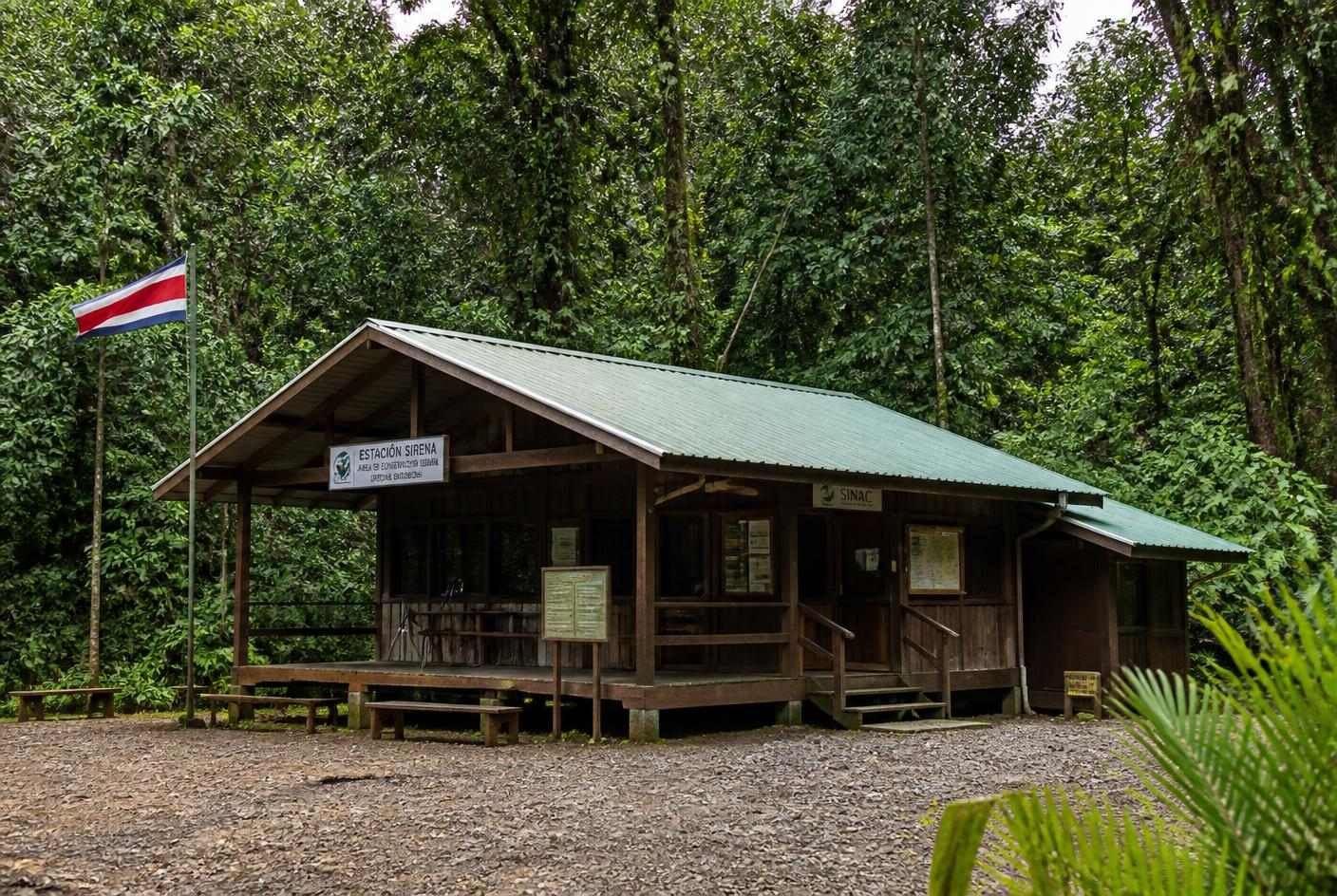
The La Sirena Ranger Station
Of all the Ranger Stations in Corcovado National Park, La Sirena is by far the most popular entryway. In addition, wildlife viewing from this station is considered to be the best in the park. Deep in the rainforest, the station can only be reached by boat from Drake Bay, or by the full day hiking route departing either the Los Patos or La Leona stations. Because the opportunity for wildlife viewing is so good from La Sirena, many visitors choose to stay overnight at the station to enhance their chances to view tapirs and the park's resident cats.
The La Leona Ranger Station
Located near the Town of Carate on the Southern end of the peninsula, this entry point is highly palatable for day trips and guided hiking excursions along the coastline.
The national park service in Costa Rica, SINAC, manages the permit system used to limit the number of daily visitors to the park. It is highly recommended to plan your Corcovado wildlife tour and permit at least one to two months in advance. Most licensed tour operators in Drake Bay or Puerto Jiménez can arrange permits, guides, and transportation as part of a package.
What to Pack
Pack light, fast-drying, and hiking appropriate clothing; a reusable water bottle; bug spray, and a good pair of hiking shoes.
Getting to the Osa Peninsula, Costa Rica
Visitors fly from San José to either Puerto Jiménez or Drake Bay on a short domestic flight which takes about 45 minutes. Both towns connect by road as well, but the drive can take six to eight hours depending on traffic and road conditions. From Puerto Jiménez or Drake Bay, local guides arrange transportation to the ranger stations by boat, van, or on foot.
Final Thoughts
Corcovado rewards travelers who plan ahead. Book a licensed guide and permit early, allow a buffer day for weather and boat schedules, and treat the Osa Peninsula as its own trip rather than a quick detour. Do that, and you get the wildest rainforest experience Costa Rica still has to offer.
Browse tours and businesses in Costa Rica's South Pacific region to plan the rest of your Osa Peninsula trip.
FAQs about Visiting the Corcovado National Park
Can you spot jaguars in Corcovado National Park?
It is a rare sight. Though the Osa Peninsula has a large density of jaguar population in Central America, spotting a jaguar at Corcovado National Park might be rare. This is mostly because they are nocturnal and tend to come out of the dense habitats only during the night.
Can you visit Corcovado National Park without a guide?
No, you cannot visit Corcovado National Park without a guide. Independent tours are strictly prohibited due to the thick forests and wildlife that thrive there. Hire an ICT-licensed guide, as there are checks at all entry points in the park.
Is Corcovado National Park worth visiting?
Yes, Corcovado National Park is absolutely worth visiting. Its remote forests, biodiversity and wildlife sightings make it a must-visit for every Costa Rican tourist.
What would be the ideal number of days to stay in Corcovado National Park?
Though most visitors cover Corcovado National Park as a day trip, a 2-day stay near the Sirena Ranger Station would be ideal if you want to cover the entire stretch, do some amazing wildlife sightings, and take a trek.
Is swimming allowed at Corcovado National Park?
No, swimming is completely prohibited at the beaches in Corcovado National Park for safety reasons.