Costa Rica Weather & Seasons Explained: Best Time to Visit by Region
By The Costa Rica List editorial team — Tue Jul 28 2026
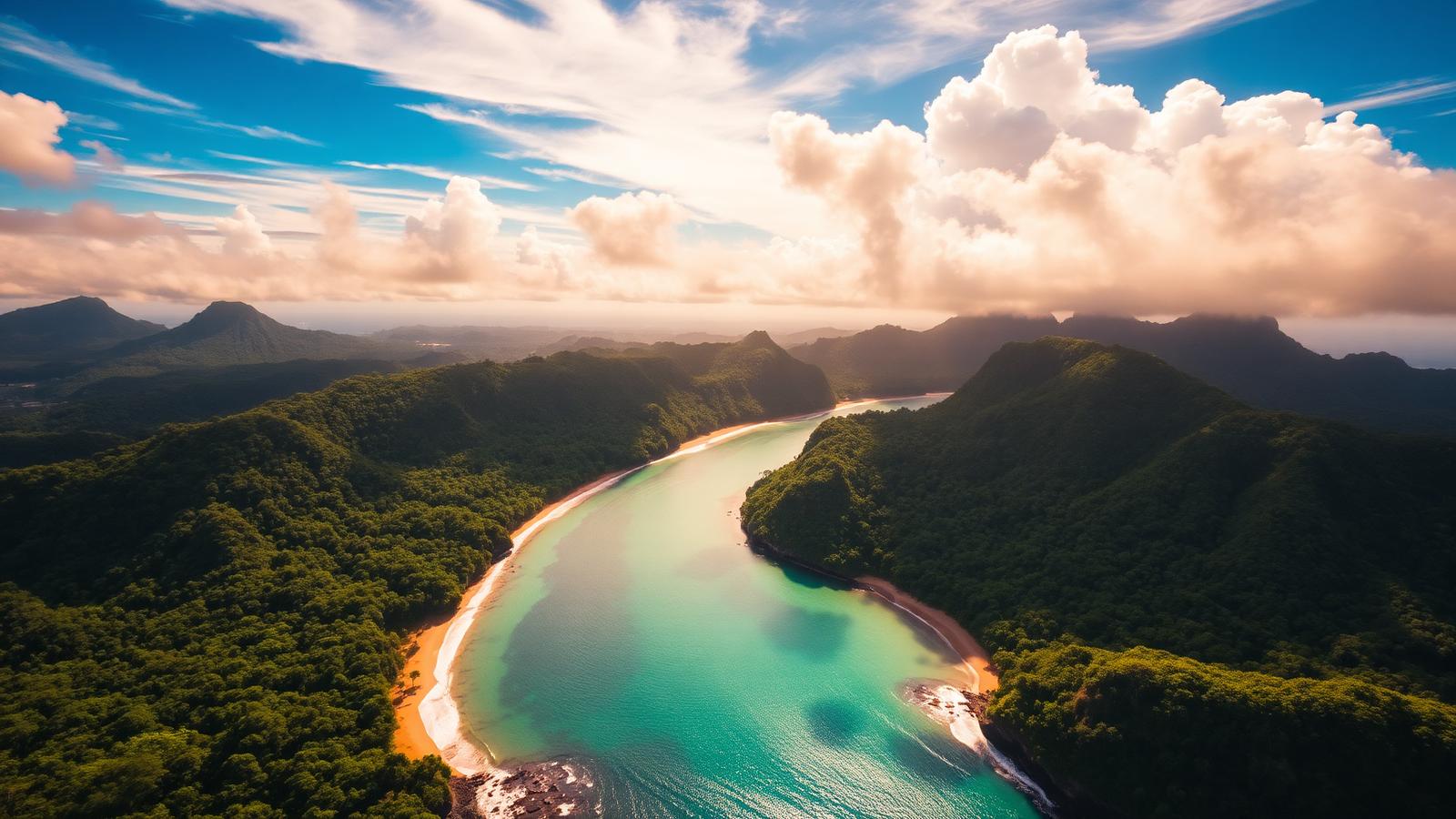
A complete regional breakdown of Costa Rica's weather, dry and rainy seasons, and the best time to visit the Pacific, Caribbean, Central Valley, and cloud forests.
The flora and fauna in Costa Rica combined with the year-round tropical climate create a beautiful destination. Pictures just don't do justice to the breathtaking beaches, and the wildlife is something every traveler needs to experience.
Costa Rica has only two seasons: a dry season from December to April, and a wet season from May to November. For a lot of countries, this would be an easy way to describe the climate — however, the climate in Costa Rica is very different depending on whether you're visiting the Pacific side or the Caribbean side. It can be sunny on one while the other is rainy, and can even change depending on the elevation.
So, here we are, making your upcoming trip even better with a complete breakdown of this gorgeous country's weather by region, suggesting the best time to visit Costa Rica.
Quick answer: Costa Rica's dry season runs December to April and is the best time for sunny beach weather, especially on the Pacific coast. The rainy season (May–November) brings lower prices, fewer crowds, and lush green scenery, with mostly sunny mornings and afternoon showers.
Let's Understand Costa Rica's Seasons
Dry season (Verano)
Locals in San José and the surrounding areas call the dry season "verano". With very little rain and clear blue skies, this is popularly the best time to visit Costa Rica. The dry season attracts the most tourists, so prices surge, and Guanacaste is quite popular amongst the visitors with its dry and brown countryside.
Rainy season (Invierno)
We understand that the rainy season is something most tourists and travelers would avoid. But here's a little secret: the countryside actually becomes quite colorful and green during this time. The scenic beauty of the lands on a rain-drenched day is unparalleled — Costa Rica even begins to look its best. The mornings usually have clear skies while it pours in the afternoon. The rains will eventually clear up in the evenings.
September and October are known to be the wettest months, but the rains are usually over quite quickly. This is in fact an amazing time to go water rafting, enjoy the hot springs, and relish some amazing Costa Rican delicacies and seafood.
Costa Rica's Scenic Geography
Most travel guides tend to have the same few sentences about Costa Rica's micro-climates. The rainy season can actually change from region to region. With short traveling distances, Costa Rica actually has a very diverse geography. There are two coastlines, a range of mountains, and valleys in between.
The Pacific Coast (Guanacaste, Nicoya, Central & South Pacific)
Guanacaste can go weeks without a single drop of rain between January and March, making it Costa Rica's dry-season poster child. The Costa Rica rainy season in Guanacaste (May–November) follows the "sunny morning, rainy afternoon" pattern, which is often convenient for rain-dodging while planning afternoon beach-day activities. The rest of the region is often dusty and brown during this time.
The Caribbean Coast (Puerto Viejo, Tortuguero, Cahuita)
The Caribbean side has its own microclimate, making it impossible to experience a traditional dry season. Unfortunately for sun worshippers, rain is a year-round reality. The remainder of the country is experiencing the rainy season in September and October, but they are the driest months for the Caribbean, making it the perfect escape from the Pacific side's torrential downpours.
Central Valley (San José, Alajuela, Heredia)
Most expats live in the Central Valley, where the capital is located. Thanks to the elevation, temperatures here are a perfect year-round mild, making the dry season warm and sunny, while the rainy season is just calm, predictable afternoon storms. It's the country's most weather-friendly area, which is why so many expats have settled here.
Northern Zone & Cloud Forests (Monteverde, Arenal)
Things change with higher elevations. Even Monteverde, with its seasonal trade winds, tends to be misty and breezy. Arenal, with its rainforest system, tends to get rain year-round. If your idea of a good time is hiking to waterfalls and through the rainforest, the region will reward you during the so-called "rainy" season.
Costa Rica Weather by Month: What to Expect
| Month | Pacific Coast | Caribbean Coast | Central Valley | Best For |
|---|---|---|---|---|
| January | Dry, sunny | Occasional rain | Dry, mild | Peak beach travel |
| February | Very dry | Mixed | Dry, warm days | Guanacaste beaches |
| March | Dry, hot | Mixed | Dry, warm | Diving & snorkeling |
| April | Dry, hottest month | Increasing rain | Dry, hot | Semana Santa travel |
| May | Increasing rain | Rainy | Afternoon showers | Fewer crowds |
| June | Rainy, green | Rainy | Rainy afternoons | Rainforest wildlife |
| July | Brief dry spell ("veranillo") | Rainy | Mild | Budget travel |
| August | Rainy | Rainy | Rainy afternoons | Lush landscapes |
| September | Heaviest rain | Drier (mini dry season) | Rainy | Caribbean getaway |
| October | Heaviest rain nationwide | Drier | Very rainy | Caribbean coast trip |
| November | Rain tapering off | Rainy | Rain decreasing | Transitional travel |
| December | Dry season begins | Mixed | Dry, cool evenings | Holiday travel |
Rainy Season vs. Dry Season at a Glance
| Feature | Dry Season (Dec–Apr) | Rainy Season (May–Nov) |
|---|---|---|
| Rainfall | Minimal to none | Frequent afternoon showers |
| Crowds | High (peak season; best time to visit Costa Rica) | Lower, except holidays |
| Prices | Higher | More budget-friendly |
| Scenery | Dry, dusty (Pacific) | Green, lush |
| Best Regions | Guanacaste, Pacific coast | Caribbean, cloud forests |
When is the best time to visit Costa Rica?
There isn't one absolute best answer for the best time to visit Costa Rica. There is beauty in the variety of regions this country has. For the best chances to get sunny weather on the beach, try the Pacific coast between December and April. If you are looking for fewer crowds and lower prices, the rainy season is the best time to visit. It lasts from May to November and is excellent for those interested in life in the rain (literally) as it is great for inland wildlife. The Central Valley region has mild year-round weather, so it can be stress-free to visit at any time of the year for those who want the best of both worlds.
Planning a longer stay? Read our Cost of Living in Costa Rica 2026 guide for region-by-region monthly budgets, including the Central Valley.
FAQs on Costa Rica's Climate, Weather & Seasons
What is the average temperature in Costa Rica year-round?
Costa Rica stays warm throughout the year, with most regions averaging between 71°F and 88°F (22–31°C). The Central Valley runs cooler thanks to elevation, while coastal areas stay warm and humid regardless of season.
Does it rain every day during the rainy season?
Not all day. The typical pattern is sunny mornings followed by afternoon showers that usually clear up by evening. Rain tends to be predictable rather than constant, so most days still include hours of sunshine.
What is the hottest month in Costa Rica?
April is generally the hottest month nationwide, marking the peak of the dry season before the rains arrive. Temperatures and humidity both climb steadily as the season progresses toward it.
Is October a bad time to visit Costa Rica?
For most of the country, yes — October is typically the rainiest month, with heavier storms and occasional flooding or road closures. The Caribbean coast is the exception, since it often sees some of its driest weather during this same period.
How's the weather in the Central Valley?
The Central Valley, inclusive of San José, has a year-round, spring-like mild climate thanks to its elevation, and is wonderful during both the dry and rainy seasons.