Costa Rica's Blue Zone: The Nicoya Peninsula Longevity Secret
By Written by the editorial team at The Costa Rica List — Thu Aug 06 2026
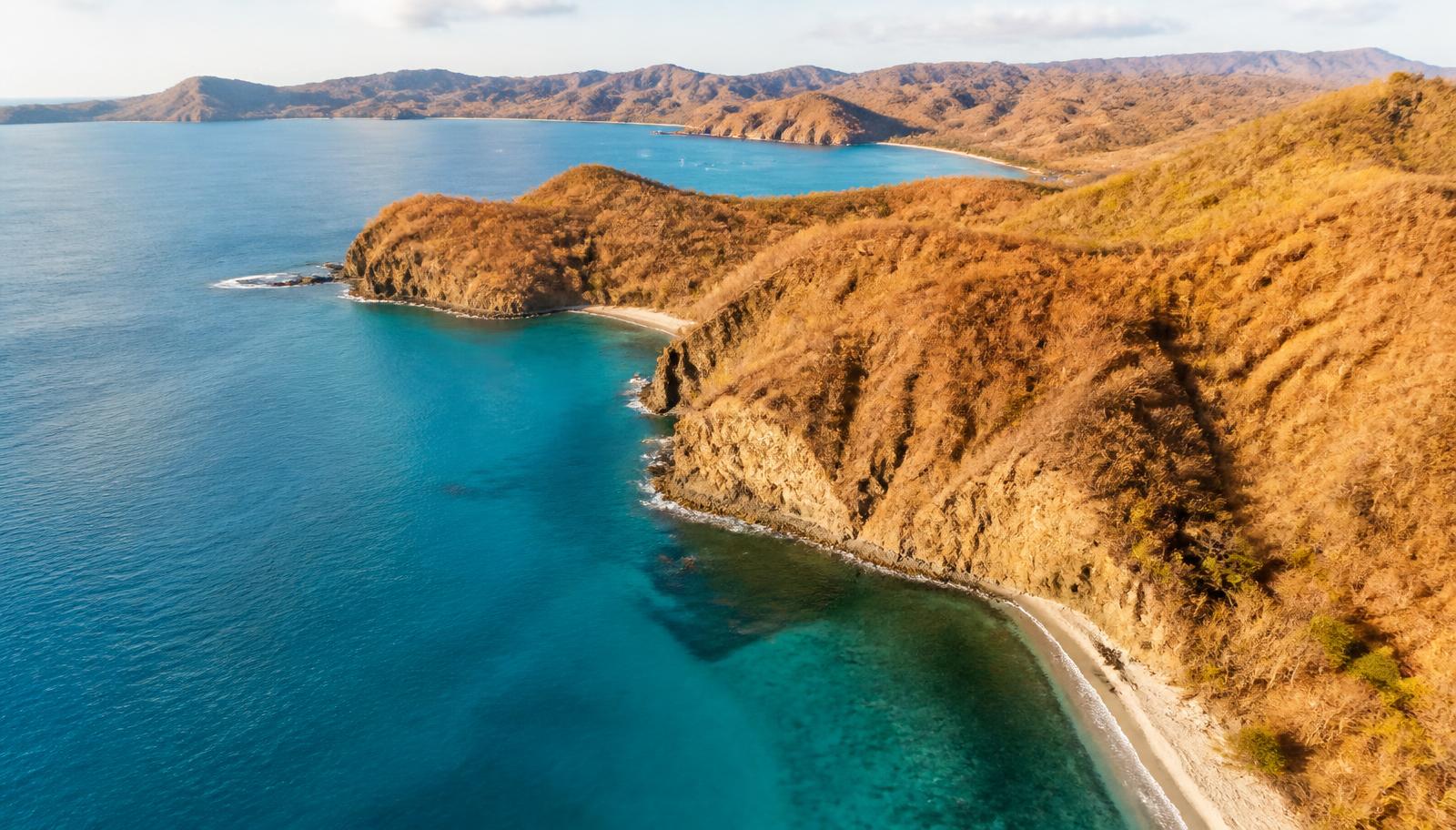
Discover Costa Rica's Nicoya blue zone — the diet and lifestyle behind why people live so long, plus 2026 weather and best time to visit.
Located in northwestern Costa Rica, the Nicoya Peninsula is one of the world's five Blue Zones. Blue Zones are regions of the world known for the unusually high population of centenarians (100+ years) and nonagenarians (90+ years).
As the only Costa Rican Blue Zone — and the only one in all of Latin America — its life expectancy is even more impressive, hitting the 85 mark, in a region known to have some of the lowest average incomes in Costa Rica. Because of this, it has become one of the most studied Blue Zones in the world. Research focuses on the reasons behind that high life expectancy and the key elements of daily life on the Nicoya Peninsula.
The Nicoyans' diet, daily physical activity, strong family connections, and sense of purpose have drawn researchers to the Nicoya Blue Zone for decades. Their lifestyle has been widely studied and featured by National Geographic, Netflix, and longevity researcher Dan Buettner, whose Blue Zones project has helped bring global attention to the factors that contribute to longer, healthier lives.
Quick answer: Nicoya is one of only 5 Blue Zones on Earth, where people commonly live past 90 thanks to a plant-based diet, daily physical activity, strong family ties, and a clear sense of purpose. Visit January to April for the best weather and driest roads.
What Is a Blue Zone in Costa Rica?
Dan Buettner developed the concept of Blue Zones to classify areas with unusual concentrations of centenarians. He and his colleagues partnered with demographers and medical researchers to rely on actual demographic data rather than local myths. Five Blue Zones exist on the entire planet:
- Costa Rica's Nicoya Peninsula
- Italy's Sardinia
- Japan's Okinawa
- California's Loma Linda, USA
- Greece's Icaria
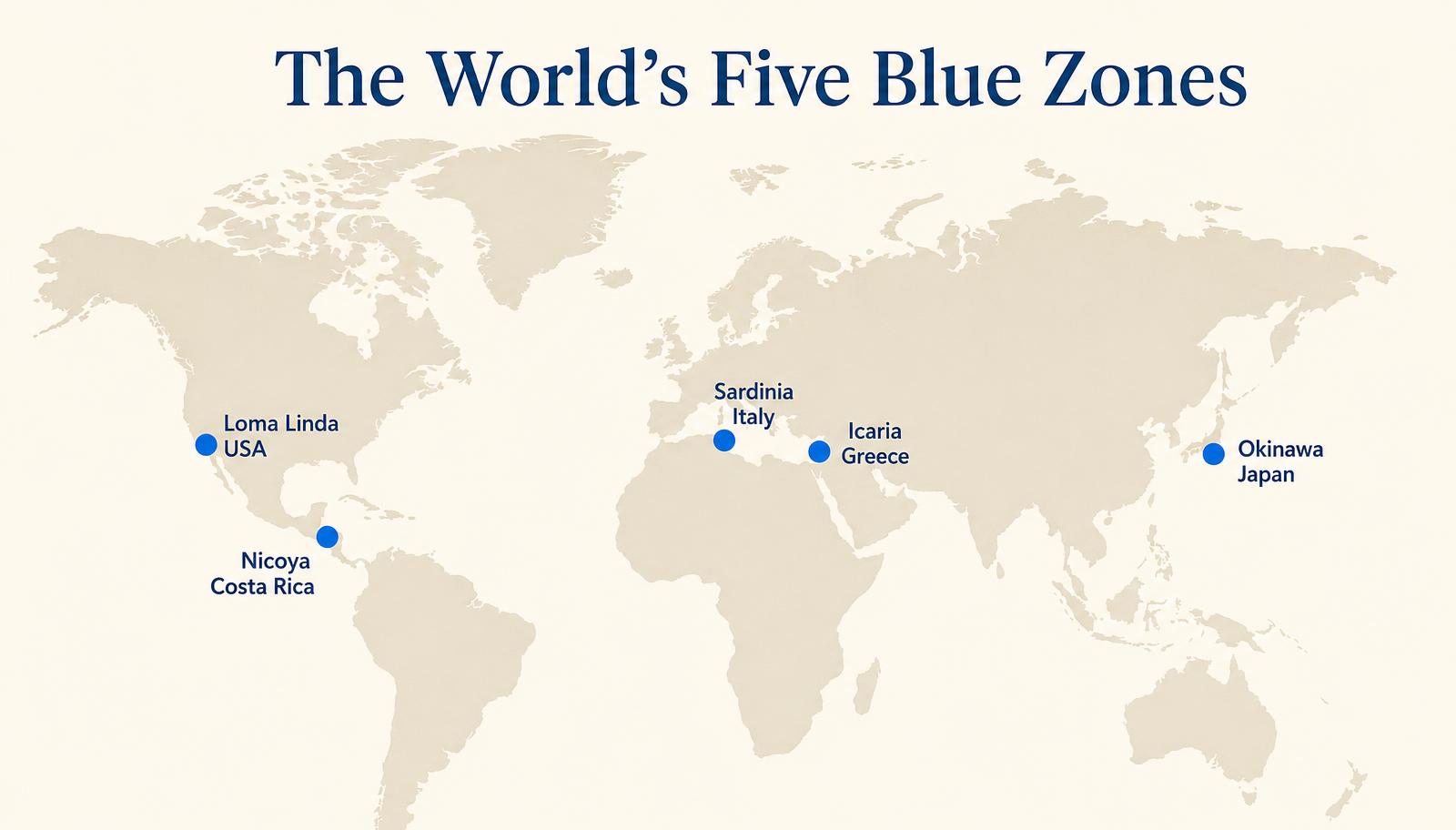
Latin America's sole Blue Zone is Nicoya, roughly 80 miles of coast plus the inland foothills of Guanacaste — a province defined less by large-scale tourism than by cattle ranching, agriculture, and fishing. The Blue Zone proper covers the peninsula's southern coastal towns and the interior towns of Nicoya, Hojancha, and Nandayure.
Why Do People in Nicoya Live So Long?
Here's the secret to the Nicoyan way of life, broken down. Researchers consistently point to four lifestyle factors — diet, daily movement, family and community, and purpose — with genetics estimated to account for only about 20% of the longevity effect.
| Factor | What It Means |
|---|---|
| Plan de vida | A personal sense of purpose that keeps older adults active and involved in family life. |
| Family and community ties | Multiple generations living close together, with regular contact with neighbours and strong social connections. |
| Daily physical activity | Physical movement built naturally into everyday routines rather than structured gym workouts. |
| Diet | A diet low in processed foods and rich in fibre, plant protein, and fresh, whole ingredients. |
| Genetics | Estimated to account for only about 20% of longevity, with lifestyle factors contributing to the remaining 80%. |
The Nicoya Diet
The diet in Nicoya is low in saturated fatty meats and processed foods, and plentiful in fibre and plant protein. Traditional Nicoyan foods include beans, corn, and squash — the "three sisters" of Indigenous farming in the Americas, and excellent sources of plant-based protein when eaten together.
Daily foods include:
- Fish
- Plantains
- Yams
- Papaya
- Corn tortillas
- Black beans
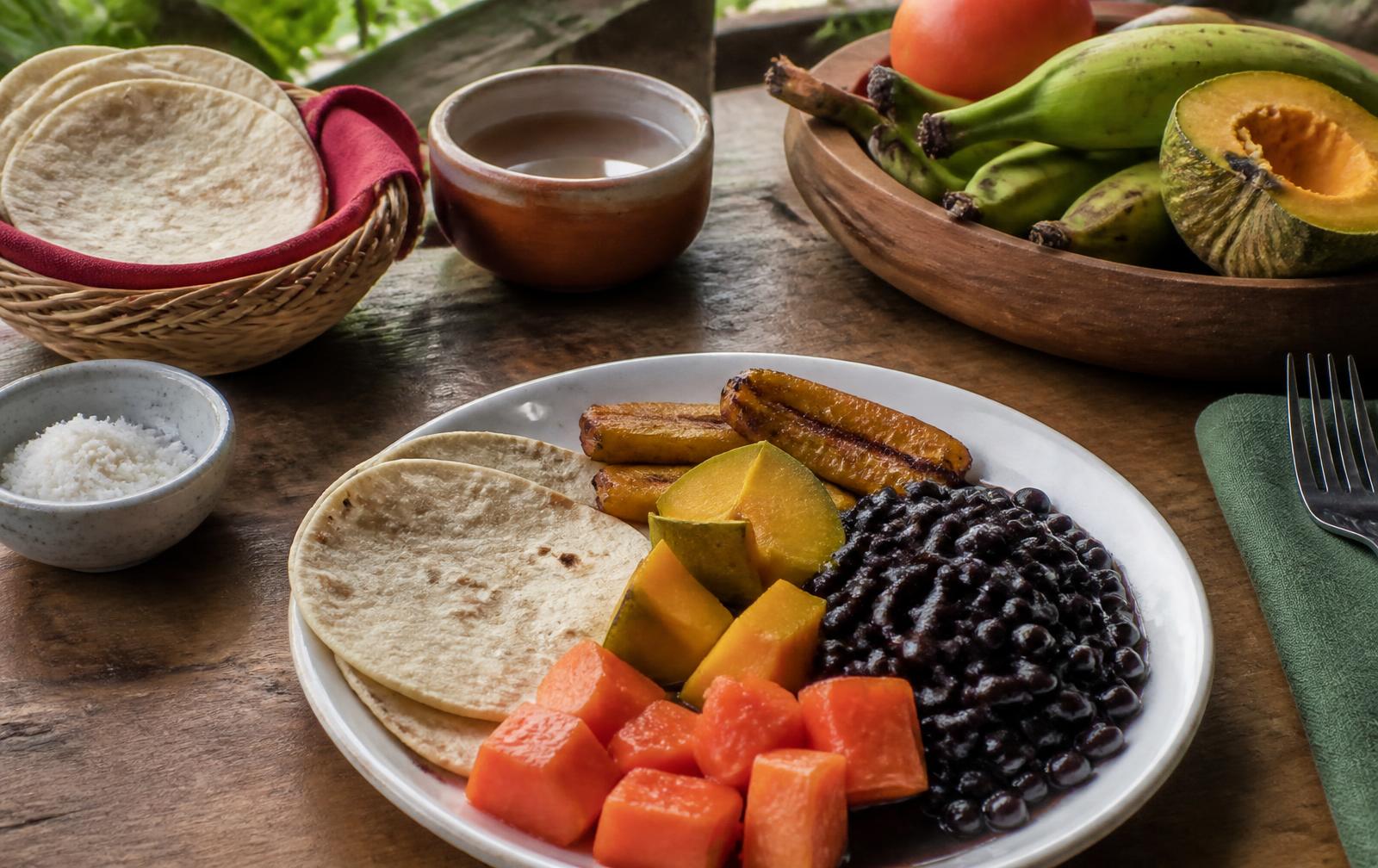
In Nicoya, breakfast is usually the largest meal of the day and dinner the smallest. It is customary to stop eating when you are "80% full" — the same hara hachi bu practice observed in Okinawa. Fast food, packaged snacks, and sodas are consumed far less in Nicoya than in San José.
Daily Physical Activity
Nobody in Nicoya is training for longevity. Movement is simply built into the shape of the day. Small farms are worked by hand, water and firewood get carried, laundry is hung outside, and the walk to a neighbour's house or the town square is done on foot rather than by car. Researchers call this "natural movement" — low-intensity activity repeated across every waking hour instead of concentrated into a single gym session.
The result is a population that stays mobile decades longer than average. Nicoyan men in particular show notably better lower-body strength and balance into their 80s, which matters more than it sounds: falls and the immobility that follows them are among the biggest drivers of decline in old age. Traditional Guanacaste ranching and farming work also means most days start early, in daylight, which reinforces sleep rhythms — another factor tied consistently to healthy ageing.
Strong Family Connections
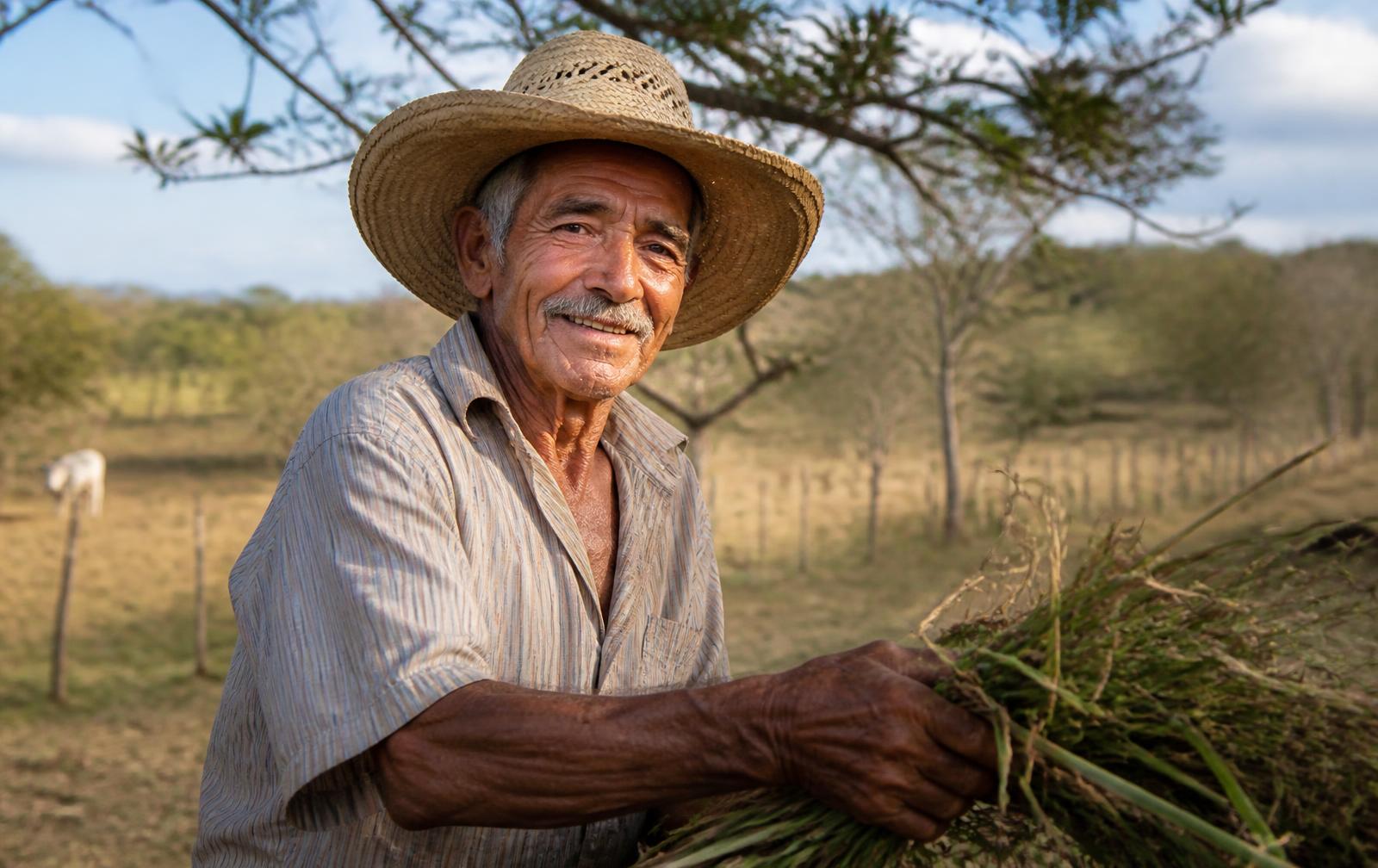
Multigenerational living is the norm across the peninsula, not the exception. Older Nicoyans typically live with or beside their children and grandchildren, which means daily conversation, shared meals, and practical help without anyone having to arrange it. Elders are not moved out of the household as they age — they stay at the centre of it, cooking, minding grandchildren, and keeping a role in family decisions.
That structure delivers two things that are hard to buy: constant low-level social contact, and someone who notices quickly when something is wrong. Loneliness and social isolation are now understood to carry health risks comparable to smoking, and Nicoya's dense family and neighbour networks essentially remove that risk from the equation. Historically low divorce and single-parent rates in the region have reinforced the same pattern across generations.
A Sense of Purpose (Plan de Vida)
Ask an older Nicoyan why they get up in the morning and you will usually get a concrete answer — livestock to feed, a plot to tend, a grandchild to walk to school. Costa Ricans call this a plan de vida: a reason to live, held clearly and daily. It is the same idea Okinawans call ikigai, and it shows up in every Blue Zone studied so far.
Practically, purpose here means retirement is not really a concept. People shift to lighter work rather than stopping, so their identity, routine, and social role stay intact into their 80s and 90s. That continuity appears to buffer against the depression and cognitive decline that often follow abrupt retirement elsewhere — and it costs nothing, which is part of why researchers find it in a region with some of the lowest incomes in the country.
Nicoya Peninsula Weather & Best Time to Visit in 2026
Nicoya sits in Costa Rica's driest corner, which is exactly why its seasons are so sharply defined. For a fuller national picture, see our guide to Costa Rica's weather and seasons by region.
| Season | Months | Conditions |
|---|---|---|
| Dry season | December–April | Sunny weather with low rainfall and the best road conditions. Daytime temperatures average 86°F (30°C) and can reach 104°F (40°C) during the hottest periods. |
| Green season | May–November | Regular afternoon showers create lush landscapes, increased wildlife activity, and fewer tourists, making it ideal for nature lovers. |
| Peak rain | September–October | The wettest months of the year, with heavy rainfall. Some roads may become difficult to access, and certain businesses temporarily close during this period. |
January–April: the ideal travel window for pleasant weather and the driest road conditions. Expect more travellers and higher hotel rates. March is the sunniest month.
May and November: the quieter shoulder months, with still-good road conditions and businesses open. Expect some rain and discounted travel.
September–October: the lowest rates and fewest travellers, for the highest disruption risk. Heavy rain turns dirt roads to mud, and a 4x4 is effectively required.
April and May suit wellness-focused beach travellers best — warm water, green landscapes, and thinner crowds. If you are weighing a longer stay, our 2026 cost of living guide breaks down what Guanacaste actually costs month to month.
Where to Stay Near the Blue Zone
There is no hotel strip in the Blue Zone's interior towns, so most visitors base themselves on the Guanacaste coast and drive inland. Tamarindo is the easiest landing spot, with the widest choice of hotels, restaurants, and tour operators, and it is roughly an hour from the town of Nicoya. Playa Flamingo is quieter and more upmarket, and works well if you want calm water and sunsets over surf-town nightlife.
Interesting Facts About the Nicoya Peninsula Blue Zone
- Nicoya is one of only five Blue Zones internationally, and the only one in Costa Rica and Latin America.
- Nicoyan men have a higher life expectancy than men in any other region of Costa Rica.
- Historically high levels of calcium and magnesium in the region's water supply have been associated with stronger bones and better cardiac health.
- Instead of retiring completely, older Nicoyans continue manual work such as farming and household chores into their 80s and 90s.
- Strong family ties, historically low single-parent rates, and low divorce rates all contribute to longevity here.
- Because the area was economically isolated until the 1950s, traditional dietary and lifestyle patterns survived intact for decades.
- In 1990s Nicoya, the worldwide trend of rising age-related depression reversed, with happiness levels increasing with age.
Recommended read: for a travel itinerary covering beach towns inside the same Blue Zone — surf breaks, waterfalls, and lodging in the southern coastal longevity towns — see our guide to Tambor and Montezuma on the Nicoya Peninsula.
FAQs
Why do Nicoyans have the longest life expectancy?
Strong family ties, a clear sense of purpose, daily physical activity, and a nutritious, low-stress lifestyle are the main factors behind the long life expectancy seen on the Nicoya Peninsula. Researchers estimate genetics account for only about 20% of the effect.
What is the traditional Nicoyan Blue Zone diet?
The traditional Nicoyan diet is built around corn, beans, and squash, plus rice, plantains, papaya, and fish. It is low in meat, dairy, and processed food, and high in fibre and plant protein.
What are the best months for a Nicoya Peninsula trip in 2026?
Travel any time from December to April for the best weather and driest roads. Visit in May or November instead for lower prices, fewer crowds, and green landscapes with only occasional afternoon rain.
Where are the 5 Blue Zones?
The five Blue Zones are Nicoya in Costa Rica, Sardinia in Italy, Okinawa in Japan, Loma Linda in the United States, and Icaria in Greece. Nicoya is the only Blue Zone in Latin America.
Are Tambor and Montezuma in Nicoya?
Yes. Tambor and Montezuma are both on the southern Nicoya Peninsula in Costa Rica, part of the internationally recognised Nicoya Blue Zone, a region of exceptional longevity.
Read Next
- Cost of Living in Costa Rica 2026 — monthly budgets by region, including Guanacaste.
- Costa Rica Weather & Seasons Explained — the best time to visit, region by region.