Tambor and Montezuma, Costa Rica: Twin Gems of the Nicoya Peninsula
By The Costa Rica List Team — Sat May 23 2026
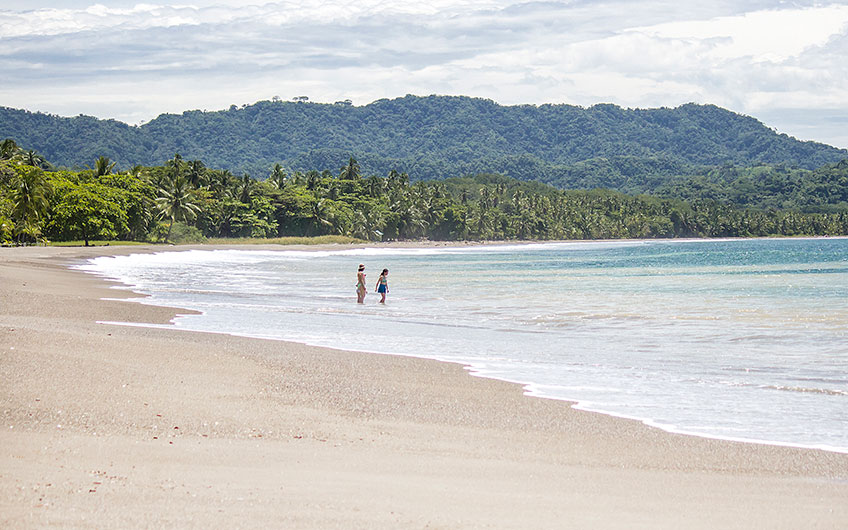
Discover the tranquil bays of Tambor and the bohemian spirit of Montezuma, two essential destinations on Costa Rica's stunning Nicoya Peninsula.
Tambor and Montezuma sit thirty minutes apart on the southern tip of Costa Rica's Nicoya Peninsula, yet they offer two entirely different versions of the Pacific coast. Tambor curls around the calm, swimmable horseshoe of Bahía Ballena — a family-friendly base with its own domestic airport. Montezuma, down a winding coastal road, is the peninsula's bohemian heart: waterfalls, yoga decks, artisan stalls, and a travelers' scene that has drawn free spirits since the 1980s. This guide compares the two towns and covers everything you need to plan a visit — how to get there (ferry, flight, or drive), what things cost, when to go, and the wildlife refuges and waterfalls that make this corner of Puntarenas Province worth the journey.
How to Get to Tambor and Montezuma
The southern Nicoya Peninsula feels remote, but there are three straightforward routes:
- Ferry (most popular): Drive or bus from San José to Puntarenas (~1.5–2 hrs), then take the car ferry to Paquera (~70 minutes; roughly US$2 per passenger, ~US$25 per car). From Paquera it's ~45 minutes to Tambor and ~1 hour 15 minutes to Montezuma via Cobano.
- Fly: Domestic flights from San José reach Tambor Airport (TMU) in about 30 minutes — the fastest option, and the reason Tambor is one of Costa Rica's most accessible "remote" areas. Montezuma is a 30-minute taxi from the airstrip.
- Drive the long way: Looping around the Gulf of Nicoya via the Taiwan Friendship Bridge takes 5–6 hours from San José — only worth it if you're already touring Guanacaste.
- From Santa Teresa: ~40 minutes by car or shuttle to Montezuma via Cobano.
Best Time to Visit
The dry season (December–April) brings reliable sun, the calmest seas in Bahía Ballena, and the best road conditions — plus peak crowds in Montezuma around holidays. The green season (May–November) is quieter and greener, with mostly sunny mornings; some unpaved side roads get rough in October. Wildlife has its own calendar: olive ridley and other sea turtles nest primarily July through December (ASVO's hatchery releases often happen at sunset in this window), and humpback whales pass through the gulf roughly August to October — fitting for a bay named Bahía Ballena.
Tambor: Serenity in the Horseshoe Bay
The southern Nicoya Peninsula also carries a distinction few destinations can claim: the Nicoya region is one of the world's five certified Blue Zones, where residents live measurably longer than global averages, a fact researchers attribute to diet, community, and daily movement, and one that colors the unhurried pace visitors notice immediately.
Tambor is characterized by its massive, u-shaped bay known as Bahía Ballena (Whale Bay). Historically, the bay was a frequent stop for migrating whales, and today it serves as a tranquil haven for those seeking calm waters and a slower pace of life. Unlike many of the Pacific coast's surf-heavy beaches, the water at Tambor is remarkably still, making it an ideal spot for swimming, paddleboarding, and kayaking.
The town itself is laid back and served by a small domestic airport, making it one of the most accessible remote areas in the country. Visitors often use Tambor as a base for exploring the Curú National Wildlife Refuge. This protected area is a biodiversity hotspot where you can spot white-faced monkeys, coatimundis, and over 200 species of birds. The refuge also serves as the departure point for boat tours to Isla Tortuga, famous for its white sand and turquoise snorkeling waters.
Montezuma: The Bohemian Heart of the Peninsula
A thirty-minute drive south leads you to Montezuma, a town that has long been a magnet for artists, backpackers, and digital nomads. Known for its "hippy-chic" vibe, Montezuma's center is a colorful collection of organic cafes, artisan craft stalls, and boutique hotels perched on the hillsides.
The geography here is much more dramatic than in Tambor. The coastline is rugged, with rocky outcroppings intercepting stretches of golden sand. One of the main draws is the Montezuma Waterfalls, a series of three cascades. The hike to the lower falls is relatively short and ends at a large swimming hole, while the upper falls offer a more secluded experience and a spot for the truly adventurous to jump into the pools below.
Montezuma Waterfalls: Hike Smart
The falls are a series of three cascades on the Río Montezuma, a 20–40 minute river-trail scramble from town. The lower waterfall has a deep swimming hole; the upper tiers are reached by a steeper trail. Two safety notes locals wish every visitor knew: never climb the slick rock face between the lower and middle falls (this is where nearly all serious injuries happen — use the marked upper trail instead), and skip jumping unless someone local confirms current water depth. Wear shoes with grip, go in the morning, and pack out everything you bring.
Wildlife and Conservation Efforts
Both Tambor and Montezuma are deeply committed to environmental preservation. In Montezuma, the ASVO (Association of Volunteers for the Service in Protected Areas) manages a sea turtle hatchery on the main beach. During nesting season, visitors can often witness the release of baby sea turtles into the ocean at sunset—a moving experience that highlights the community's dedication to its natural heritage. ASVO's volunteer-run hatchery protects nests laid primarily by olive ridley turtles between July and December; visitors who want to attend a release should ask locally about that week's schedule and follow volunteer instructions, no flash photography, and keep behind the marked lines.
Further south, the Cabo Blanco Absolute Natural Reserve serves as the crowning jewel of the region's conservation efforts. As the first protected area established in Costa Rica, it offers a rigorous hiking trail that leads to a pristine, white-sand beach. The forest is home to howling monkeys and deer, providing a glimpse into the peninsula's wild roots before the arrival of modern tourism. Cabo Blanco's founding story anchors Costa Rica's entire conservation movement: established in 1963 through the campaigning of Swedish-Danish settlers Olof Wessberg and Karen Mogensen, it predates the national park system itself. The reserve is managed today by SINAC (Costa Rica's National System of Conservation Areas), and its "absolute" designation long meaning no visitors at all explains why its forest and beach remain among the most pristine on the Pacific coast. Note that the reserve is closed on Mondays and Tuesdays.
Tambor vs Montezuma: Which Should You Choose?
| Tambor | Montezuma | |
|---|---|---|
| Vibe | Quiet, family, resort | Bohemian, artsy, backpacker |
| Water | Calm, swimmable bay | Rugged coast, tide pools |
| Stay | Resorts & vacation rentals | Boutique hotels & hostels |
| Access | Own airstrip (TMU) | 30 min from airstrip |
| Signature sight | Bahía Ballena | Montezuma Waterfalls |
| Nightlife | Minimal | Lively, laid-back |
| Best for | Families, golfers, swimmers | Couples, yogis, creatives |
The short version: families, golfers, and anyone prioritizing calm swimming water and flight access should base in Tambor; backpackers, couples, yogis, and night owls belong in Montezuma. Budget travelers will find more hostels and sodas in Montezuma; resort comfort clusters in Tambor. Whether you are galloping across the sands of Tambor on horseback or watching the sunrise from a yoga deck in Montezuma, these twin gems offer a perfect balance of relaxation and adventure.
How Much Does It Cost?
Typical 2026 visitor prices (approximate, per adult):
| Item | Typical price |
|---|---|
| Puntarenas–Paquera ferry (passenger / car) | ~US$2 / ~US$25 |
| Domestic flight SJO–Tambor | US$60–120 one way |
| Isla Tortuga boat tour (with lunch) | US$65–90 |
| Curú National Wildlife Refuge entrance | ~US$12 |
| Cabo Blanco Absolute Natural Reserve entrance | ~US$12 |
| Montezuma Waterfalls | Free (small parking/access fees on some routes) |
| Meal at a soda | US$6–10 |
| Mid-range hotel double (Montezuma) | US$60–120 per night |
| Resort double (Tambor) | US$120–250 per night |
A mid-range couple should budget around US$130–220 per day including one paid activity.
A Perfect 3-Day Tambor & Montezuma Itinerary
Day 1 — Tambor and the bay. Settle in, swim or paddleboard the flat water of Bahía Ballena, and ride horses down the beach at golden hour.
Day 2 — Islands and wildlife. Morning at Curú National Wildlife Refuge spotting white-faced monkeys and coatis, then a boat tour to Isla Tortuga for snorkeling and a beach lunch.
Day 3 — Montezuma. Hike to the Montezuma Waterfalls early (before the heat), swim in the lower pool, browse the artisan stalls, and stay for sunset and dinner in town, or push 20 minutes further south to walk Cabo Blanco's trail to a deserted white-sand beach (closed Monday–Tuesday).
Day Trips from Tambor and Montezuma
- Santa Teresa (40 min): The peninsula's surf-and-style capital, world-class waves, beach clubs, and sunset at Playa Carmen.
- Cabuya (15 min from Montezuma): A sleepy village with a wild island cemetery reachable at low tide, and the back entrance to Cabo Blanco.
- Isla Tortuga (boat from Curú or Montezuma): White sand, turquoise water, snorkeling, the postcard day trip.
- Cobano (20 min): The functional hub for banks, clinics, and supermarkets.
What to Pack
Reef-safe sunscreen, sturdy sandals plus grippy shoes for the waterfall trail, a dry bag for boat trips, insect repellent, cash (ATMs are limited to Cobano and Montezuma and sometimes run dry), and a light rain shell in the green season. Daytime temperatures run 26–33°C (79–91°F) year-round.