Costa Rica National Parks: The Complete Guide to All 30 Parks
By The Costa Rica List Editorial Team
Published · Last updated
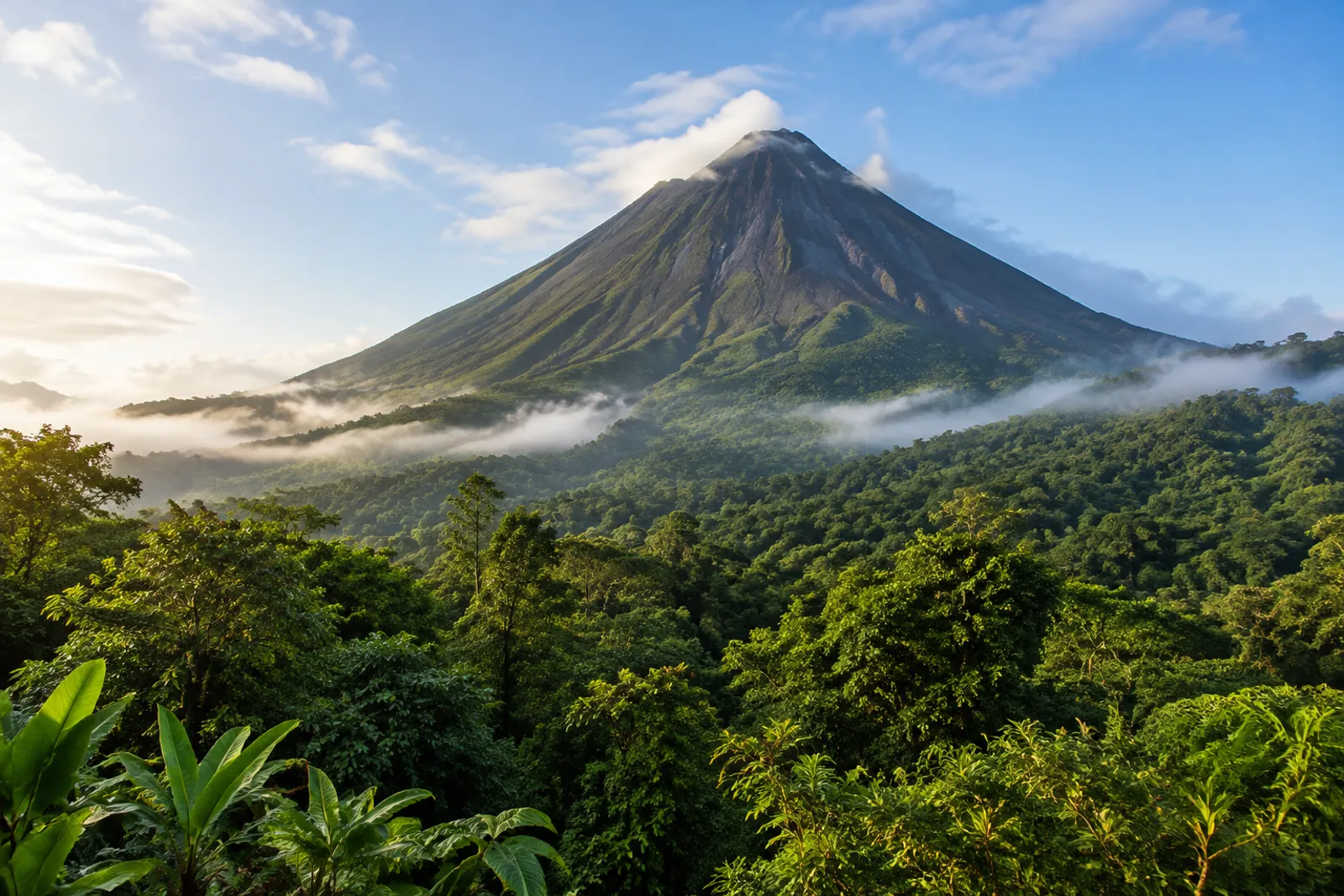
Costa Rica has 30 national parks, managed by SINAC, the national conservation system. Around a quarter of the country is protected, and these parks hold an estimated 5% of the world’s biodiversity in a country of about 51,100 square kilometres. This guide covers every park by region, what each is known for, what entry costs and how to book.
Best National Parks in Costa Rica: Our Top Picks
If your time is limited, Corcovado, Manuel Antonio, Irazú, Arenal, Tortuguero and Rincón de la Vieja give the widest range of experiences.
- Corcovado National Park (Osa Peninsula): National Geographic has called it the most biologically intense place on Earth. Expect tapirs, scarlet macaws and remote jungle hikes, always with a certified guide.
- Manuel Antonio National Park (Central Pacific): small and easy to explore, with white-faced monkeys, sloths and four beaches. Plan your stay with our Manuel Antonio hub.
- Irazú Volcano National Park (Central Valley): Costa Rica’s highest volcano at about 3,400 metres, with a crater lake whose colour and water level vary through the year. A half-day trip from San José.
- Arenal Volcano National Park (Northern Lowlands): lava fields and rainforest trails, followed by a soak in the nearby hot springs. See more volcano highlights among Costa Rica’s natural wonders.
- Tortuguero National Park (Caribbean): boat safaris through the canals and green turtles nesting in season.
- Rincón de la Vieja National Park (Guanacaste): hikes to fumaroles and waterfalls through dry forest full of wildlife.
A note on Monteverde: the famous cloud forest is a private reserve, not a national park. Our Monteverde hub lists hotels, restaurants and activities in the area, so you can fit it into a route with the parks.
List of National Parks in Costa Rica by Region
SINAC manages 30 national parks in Costa Rica, numbered 1 to 30 below across six regions.
North Pacific (Guanacaste)
| # | National park | Region | Known for |
|---|---|---|---|
| 1 | Santa Rosa National Park | North Pacific (Guanacaste) | A large dry forest reserve with beaches, surf breaks and turtle nesting. |
| 2 | Guanacaste National Park | North Pacific (Guanacaste) | A biological corridor linking Guanacaste’s dry forest to cloud forest. |
| 3 | Rincón de la Vieja National Park | North Pacific (Guanacaste) | Volcanic terrain with fumaroles, hot springs and waterfalls. |
| 4 | Miravalles Jorge Manuel Dengo National Park | North Pacific (Guanacaste) | A volcanic landscape in northern Guanacaste. |
| 5 | Barra Honda National Park | North Pacific (Guanacaste) | A forested park with underground cave systems. |
| 6 | Diriá National Park | North Pacific (Guanacaste) | Dry forest and hiking trails. |
| 7 | Palo Verde National Park | North Pacific (Guanacaste) | Wetlands on the Tempisque River with large numbers of water birds. |
| 8 | Marino Las Baulas National Park | North Pacific (Guanacaste) | Beaches near Tamarindo where endangered leatherback turtles nest. |
Central Pacific
| # | National park | Region | Known for |
|---|---|---|---|
| 9 | Manuel Antonio National Park | Central Pacific | One of the smallest and most visited parks, known for monkeys, sloths and beaches. See the Manuel Antonio hub. |
| 10 | Carara National Park | Central Pacific | Scarlet macaws, shorebirds and transition forest. |
| 11 | La Cangreja National Park | Central Pacific | A little-known, densely forested park near Puriscal. |
| 12 | San Lucas Island National Park | Central Pacific | A former prison island in the Gulf of Nicoya, now the smallest park. |
South Pacific
| # | National park | Region | Known for |
|---|---|---|---|
| 13 | Corcovado National Park | South Pacific | A vast rainforest on the Osa Peninsula with exceptional wildlife. |
| 14 | Piedras Blancas National Park | South Pacific | Lowland rainforest on the Golfo Dulce, far quieter than neighbouring Corcovado, with sloths, monkeys and dense primary forest. |
| 15 | Marino Ballena National Park | South Pacific | A marine park at Uvita, known for the Whale Tail sand bar. Humpback whales arrive in two separate seasons: southern-hemisphere humpbacks from roughly July to November, the longer and more reliable window, and northern-hemisphere humpbacks from roughly December to April. |
| 16 | Chirripó National Park | South Pacific | Cerro Chirripó, the highest peak in Costa Rica, in the Talamanca range. |
| 17 | La Amistad International Park | South Pacific | The largest park in Costa Rica, with remote highland forest and wildlife. |
| 18 | Cocos Island National Park | South Pacific | A remote marine park about 550 km off the Pacific coast, reached on liveaboard trips; see diving and snorkelling operators. |
Central Valley and Highlands
| # | National park | Region | Known for |
|---|---|---|---|
| 19 | Irazú Volcano National Park | Central Valley and Highlands | Costa Rica’s highest volcano at about 3,400 metres, with a crater lake whose colour and water level vary through the year. A half-day trip from San José. |
| 20 | Poás Volcano National Park | Central Valley and Highlands | An active crater near Alajuela, and one of the oldest parks in the system. |
| 21 | Turrialba Volcano National Park | Central Valley and Highlands | An active volcano with restricted access. |
| 22 | Braulio Carrillo National Park | Central Valley and Highlands | Rainforest close to San José. |
| 23 | Tapantí-Macizo de la Muerte National Park | Central Valley and Highlands | Highland birds, rivers and waterfalls. |
| 24 | Los Quetzales National Park | Central Valley and Highlands | Cloud forest home to the resplendent quetzal. |
Northern Lowlands
| # | National park | Region | Known for |
|---|---|---|---|
| 25 | Arenal Volcano National Park | Northern Lowlands | Lava fields and trails, close to the hot springs of La Fortuna. |
| 26 | Tenorio Volcano National Park | Northern Lowlands | The bright blue Río Celeste. |
| 27 | Juan Castro Blanco National Park | Northern Lowlands | A quiet park near San Carlos. |
Caribbean
| # | National park | Region | Known for |
|---|---|---|---|
| 28 | Tortuguero National Park | Caribbean | Canals and turtle nesting beaches, with no road access. |
| 29 | Cahuita National Park | Caribbean | Beaches, monkeys and a living coral reef. |
| 30 | Barbilla National Park | Caribbean | Remote trails and forest on the Caribbean slope. |
For beaches near Tortuguero and Cahuita, see our guide to Caribbean coast beaches.
Costa Rica National Park Entrance Fees
Foreign adult visitors generally pay roughly USD 5 to USD 20 to enter most national parks, and fees are subject to change.
Fees are generally higher for foreign visitors than for residents, and children usually pay less. Remote parks that are harder to reach, such as Chirripó and Cocos Island, generally charge more because of transport, ranger and permit costs. Fee ranges were checked in November 2026; always confirm the current figure on the SINAC site.
Budget Tips
- Combine a park visit with a guided tour. Naturalist guides spot species that are easily missed, like sloths and frogs, and many tour operators include park fees in their packages.
- Have card or cash payment ready. Not every park entrance has a reliable internet connection.
- Arrive early. Wildlife is more active in the morning and the heat is easier to manage.
SINAC Tickets: How to Book Park Entry
For the popular parks, book SINAC tickets online in advance, because many parks cap daily visitor numbers.
- Go to the official SINAC site, then select your park and date.
- Choose your time slot and the number of foreign and national visitors.
- Pay by card and keep the QR code or confirmation.
- Bring your passport and ticket for validation at the gate.
Tickets for Chirripó, Manuel Antonio and Corcovado are hard to get, especially from December to April. Manuel Antonio closes one day each week, and several other parks close on set days for maintenance. Closure days change, so check the park page on the SINAC site before you fix your itinerary. This booking guidance was checked in November 2026.
When to Visit Costa Rica’s National Parks
The dry season, December to April, brings sunny days and busier trails; the green season, May to November, brings lush scenery and afternoon showers.
In the green season, plan hikes for the morning. The Caribbean side has its own pattern, with drier spells in September and October, which makes Cahuita and Tortuguero good shoulder-season choices.
Plan Your Costa Rica National Parks Trip
Pick two or three parks in one region rather than trying to see them all in one trip.
A classic route runs from Arenal through Monteverde and down to Manuel Antonio; for more adventure, add Corcovado. First-time visitors who prefer an easier pace often enjoy Irazú and Poás volcanoes. Browse hotels across the country, or plan by area with our Manuel Antonio, Jacó, Tamarindo, Flamingo and Playas del Coco hubs.
Frequently Asked Questions
How many national parks are in Costa Rica?
Costa Rica has 30 national parks, managed by SINAC. The country also protects land through biological reserves, wildlife refuges and private reserves, which is why other counts circulate.
What is the best national park in Costa Rica for first-time visitors?
Manuel Antonio is the easiest to reach and offers reliable wildlife viewing in a small area. Arenal and Irazú volcanoes also suit first-time visitors, and both work as day trips.
How much are Costa Rica national park entrance fees?
Foreign adults pay roughly USD 5 to USD 20 at most parks, with higher fees at remote parks such as Corcovado and Chirripó. Rates change, so always check the current figure on the SINAC site.
Do I need to buy SINAC tickets in advance?
For the popular parks, yes. Manuel Antonio, Corcovado, Chirripó and Poás use capped online reservations and sell out in the December to April high season. Quieter parks are more often fine on the day, but requirements differ park by park and change, so confirm on the official SINAC site before you travel.
Is Monteverde a national park?
No. Monteverde is a private cloud forest reserve, not part of the SINAC national park system, though it is often planned alongside the parks.
Can you go to Corcovado without a guide?
No. Corcovado requires a certified guide for every visitor, along with an advance entry reservation. It is not the only park with access controls: Chirripó also requires an advance permit, and the summit route requires a booking at the Crestones base lodge. Confirm current requirements with SINAC before you travel.