Orosi Valley, Costa Rica: Hot Springs, Coffee Tours & History
By Costa Rica List Editorial — Thu Jul 02 2026
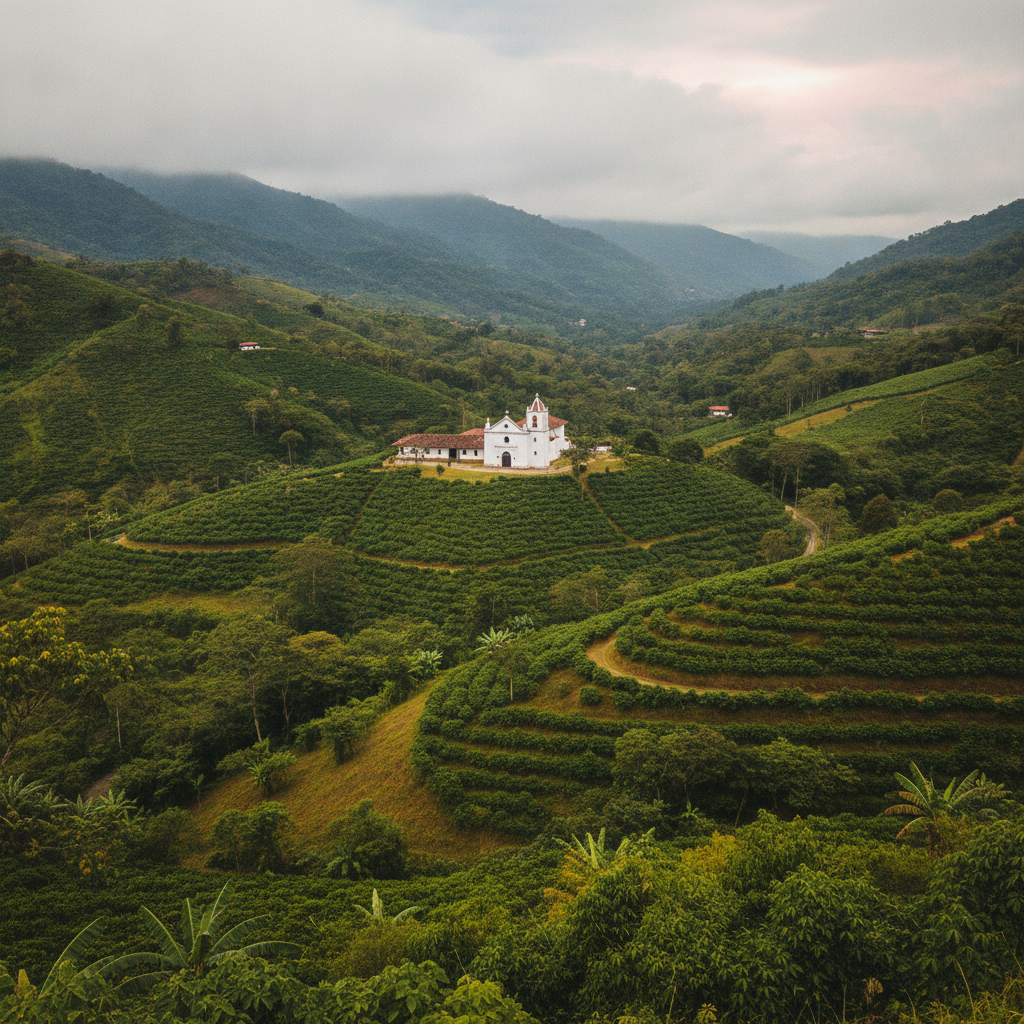
Orosi Valley, Costa Rica: visit the country's oldest church, soak in thermal hot springs, and tour coffee plantations — a hidden gem 1 hour from San José.
The Orosi Valley in Costa Rica's Cartago province, just an hour's drive from San José, is one of the country's most picturesque and historically significant destinations. Known as one of the most picturesque and historically significant regions in Costa Rica, this valley offers a tranquil escape that feels worlds away from the high-traffic tourist corridors of La Fortuna or Manuel Antonio. Here, the air is cooler, the coffee is fresher, and the echoes of the colonial past are etched into every cobblestone. For those seeking a blend of cultural immersion, geothermal relaxation, and agricultural heritage, Orosi represents the heart and soul of the old Central Valley.
The Spiritual Heart: Iglesia de San José de Orosi
The centerpiece of the Orosi Valley is arguably the Iglesia de San José de Orosi. While many of Costa Rica's colonial-era structures have succumbed to the country's frequent seismic activity, this humble white chapel stands as a resilient testament to the 18th century. Built in 1743 by Franciscan missionaries, it is currently the oldest church in Costa Rica still in use for religious services.
The architecture is quintessentially colonial, featuring thick adobe walls, a simple tiled roof, and a modest bell tower. Stepping inside, visitors find an atmosphere of profound stillness. The interior houses precious religious art, including centuries-old oil paintings and polychrome wood carvings brought over from Mexico and Guatemala during the Spanish occupation. The adjacent Colonial Museum offers a deeper look into the lives of the early friars, displaying vestments, liturgical silver, and artifacts that reveal the intersection of European faith and indigenous life in the 1700s.
Geothermal Bliss: The Hot Springs of Orosi
The geological makeup of the Orosi Valley is influenced heavily by the surrounding peaks, including the nearby Irazú and Turrialba volcanoes. This volcanic activity fuels the natural hot springs that have become a hallmark of the region's wellness tourism. Unlike the highly commercialized thermal resorts found further north, the hot springs in Orosi tend to be more modest, community-focused, and affordable.
There are several public and private thermal baths scattered throughout the valley. These mineral-rich waters range in temperature and are sought after for their purported healing properties, particularly for respiratory health and skin conditions. Many locals frequent these pools on weekends, creating a lively, family-friendly atmosphere where visitors can soak while gazing at the mist rolling off the surrounding coffee-covered hillsides.
A Legacy in Every Cup: Coffee Culture
You cannot talk about Orosi without mentioning coffee. The valley's high altitude, consistent rainfall, and rich volcanic soil provide the "goldilocks" conditions for producing some of the finest Arabica beans in the world. As you drive into the valley, the landscape is a patchwork of coffee plantations (cafetales), their dark green leaves shimmering under the tropical sun.
Several plantations in the area offer tours that take visitors from the "seed to the cup." These tours are particularly fascinating during the harvest season (typically October through January), when the hillsides are dotted with pickers gathering the bright red coffee cherries. Visitors can learn about the intricate process of washing, drying, and roasting that defines the Costa Rican coffee industry. Tasting a fresh brew in the very valley where it was grown is a sensory experience that defines the rural Costa Rican lifestyle.
Natural Wonders: Lake Cachí and Beyond
The Reventazón River winds its way through the valley, eventually feeding into the Cachí Dam and Lake. This man-made reservoir is not only a vital source of hydroelectric power for the country but also a stunning visual landmark. The overlook near the dam provides a panoramic view of the valley floor, where the river braids its way through forest and farm.
For the more adventurous traveler, the Orosi Valley serves as a gateway to the Tapantí National Park. This park is one of the rainiest places in Costa Rica, making it a lush paradise for birdwatchers and hikers. It protects a vast array of biodiversity, including over 400 species of birds and elusive mammals like the margay and the tapir. The park's trails often lead to secluded waterfalls and river banks where the water is invigoratingly cold—a sharp contrast to the thermal springs just a few miles away.
How to Get to Orosi Valley from San José
Getting to the Orosi Valley from San José takes about an hour by car. Take the Florencio del Castillo highway (Route 2) to Cartago, then follow the signs south through Paraíso to Orosi. The final stretch descends into the valley on a winding road with several miradores (lookout points) — the Mirador de Orosi, just past Paraíso, offers the classic postcard view of the valley and is worth the stop. By public transport, take a bus from San José to Cartago, then the local bus from Cartago to Orosi, which runs regularly throughout the day. A rental car is the better option if you want to drive the full valley loop past Lake Cachí, the Ujarrás ruins, and the coffee farms at your own pace.
Best Time to Visit Orosi Valley
Mornings are the best time to visit the Orosi Valley year-round. The valley is usually clearest early in the day, with clouds rolling down from the mountains by mid-afternoon and creating a moody, cloud-forest atmosphere. Frequent rain keeps the valley green in every season, so there is no bad month to come — but if you want to see the coffee harvest in action, plan your trip between October and January, when the hillsides fill with pickers gathering the ripe red cherries. Weekends bring local families to the thermal baths, which makes for a lively atmosphere; visit on a weekday if you prefer the hot springs quiet.
A Simple One-Day Orosi Valley Itinerary
If you only have a single day to give the valley, this loose itinerary hits the highlights without feeling rushed. Leave San José early — the earlier you set off, the better your chances of clear skies over the miradores.
- 7:30 a.m. — Depart San José. Take Route 2 through Cartago and connect to Route 224. Traffic thins once you clear Cartago, and you should be dropping into the valley by around 8:30.
- 9:00 a.m. — Mirador de Orosi. Pull over at the main lookout on the way in for panoramic views across the terraced hillsides and the reservoir. Mornings offer the best light and the lowest cloud cover.
- 9:30 a.m. — Coffee plantation tour. Book a morning tour at one of the family-run fincas in or around Orosi. Two hours is typical, and you will walk the rows, learn how the beans are processed, and finish with a tasting.
- 12:30 p.m. — Lunch in Orosi town. Grab a traditional casado at one of the sodas near the central park, or head to a lakeside restaurant along the loop road toward Cachí for trout or tilapia straight from the reservoir.
- 2:00 p.m. — Iglesia de San José de Orosi. Spend twenty minutes at Costa Rica's oldest church still in use (built 1743) and its small religious art museum.
- 3:00 p.m. — Afternoon hot springs. Wind down at one of the valley's balnearios. Los Patios and Balneario Termal Orosi are both easygoing, affordable, and locally run — perfect after a morning on your feet.
- 5:00 p.m. — Return to San José. Head back over Cartago before the afternoon rain and rush-hour traffic settle in.
If you have a second day, extend the loop through Ujarrás and Cachí and add a morning walk in Tapantí National Park.
Practical Tips for Your Visit
If you are planning a trip to Orosi, keep in mind that the weather can be significantly cooler than the coastal regions. Frequent afternoon rains are common, which keep the valley vibrant and green even during the dry season. Here are a few tips to make the most of your excursion:
- Transportation: While buses run regularly from Cartago to Orosi, renting a car allows you the flexibility to visit the various lookouts (miradores) and hidden coffee shops at your own pace.
- Timing: Arrive early in the day. The valley is often clearest in the morning, with clouds descending by mid-afternoon to create a "cloud forest" ambiance.
- Local Flavor: Don't leave without trying the local gastronomy. The area is famous for its traditional sodas serving hearty Casados and fresh trout, often caught from local streams.
"Orosi is where history and nature meet in a quiet embrace. It's a place where you can feel the weight of centuries in the church and the warmth of the earth in the water."
Living History and Sustainable Future
What sets Orosi apart from other destinations is its authenticity. It has managed to resist the "resortification" that has changed the character of many other Costa Rican towns. The economy remains firmly rooted in agriculture and small-scale tourism, ensuring that your visit directly supports the local community. By visiting the Colonial Museum, soaking in the springs, and buying a bag of locally roasted coffee, you are participating in the preservation of one of Costa Rica's most cherished cultural landscapes.
Frequently Asked Questions About Orosi Valley
Is Orosi Valley worth visiting?
Yes. The Orosi Valley offers Costa Rica's oldest church still in use (built in 1743), affordable natural hot springs, coffee plantation tours, and access to Tapantí National Park — all about an hour from San José and far less crowded than La Fortuna or Manuel Antonio.
How far is Orosi Valley from San José?
The Orosi Valley is roughly an hour's drive southeast of San José, in Cartago province. Public buses run from San José to Cartago and from Cartago on to Orosi, though a rental car gives you the flexibility to stop at the valley's lookout points.
Does Orosi Valley have hot springs?
Yes. Volcanic activity from the nearby Irazú and Turrialba volcanoes feeds several thermal baths (balnearios) in the valley. They are more modest, local, and affordable than the large resort-style hot springs found further north.
When is the best time to visit Orosi Valley?
Mornings are clearest year-round, with clouds typically arriving by mid-afternoon. Coffee harvest season, October through January, is an especially rewarding time to visit the plantations.
Whether you are a history buff looking to explore the roots of the Spanish colonial era, a nature lover seeking the solitude of the rainforest, or simply a traveler looking for the perfect cup of coffee, the Orosi Valley offers a profound sense of place. It is a reminder that in the heart of Costa Rica, time can indeed slow down, allowing the beauty of the landscape and the depth of history to take center stage.