Costa Rica Food Guide: Gallo Pinto, Casados & What Locals Actually Eat
By Written by the editorial team at The Costa Rica List — Wed Aug 26 2026
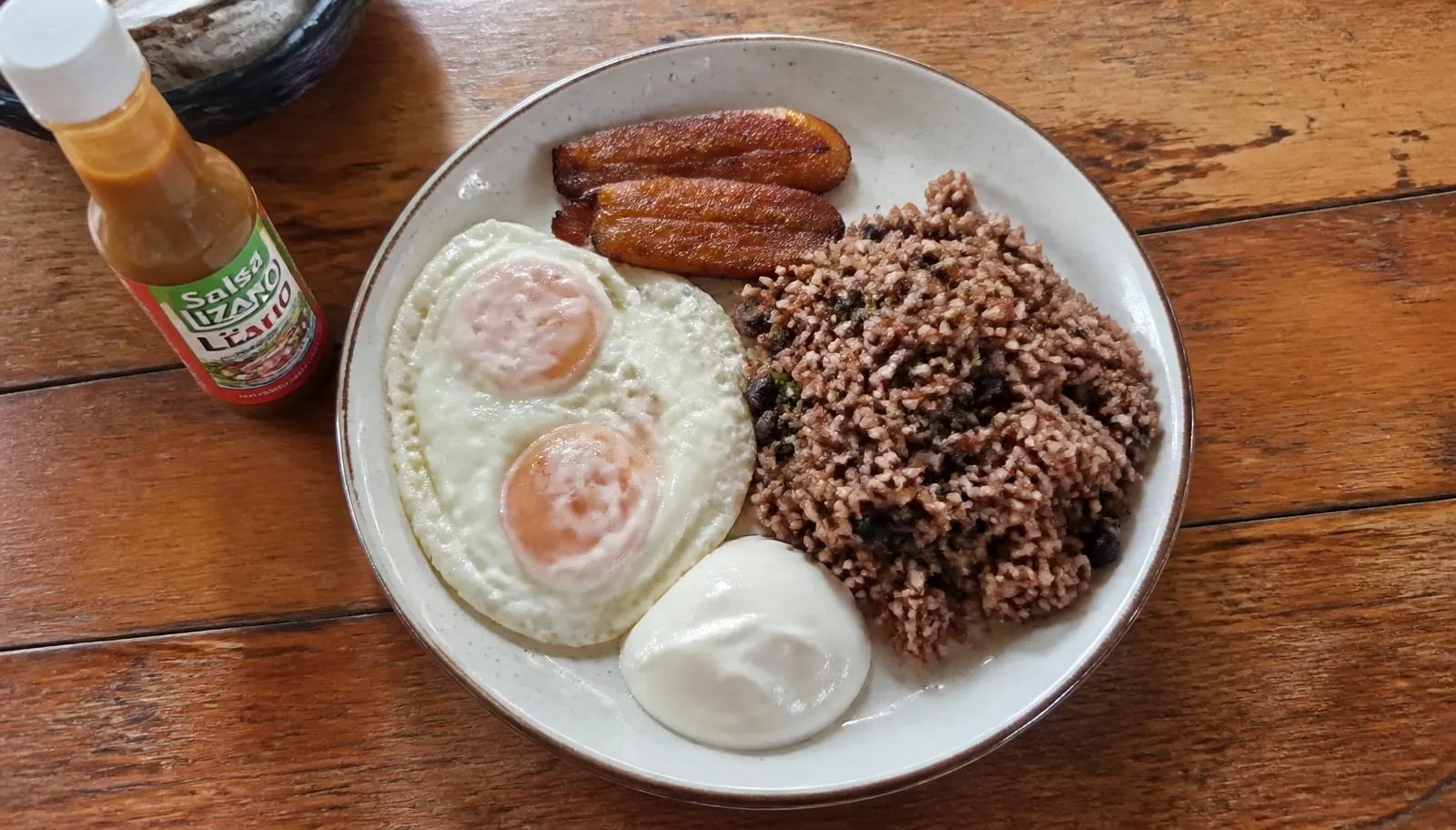
Discover authentic Costa Rica food, from gallo pinto and casados to traditional Costa Rican dishes locals actually eat.
Most people imagine Costa Rica food to be rainforest smoothies or beachside ceviche. However, the real comforting story of Costa Rican food is the pride in mastering the basics: rice, beans, and fresh vegetables. While some locals still enjoy their smoothies, others enjoy local food. For the locals, it is comfort food, and for the tourists, it is something new and exciting. This guide breaks down local Costa Rican food and where to find it to help travelers avoid hotel buffets and ceviche stands.
Quick answer: Everyday Costa Rican food is built on rice and black beans. Gallo pinto is the standard breakfast; a casado is the standard lunch plate. Both are cheapest and most authentic at a soda, a small family-run local restaurant. The food is mild rather than spicy.
What Is Costa Rica Food Really Like?
There's a lot to love about Costa Rican food. While it utilizes the same spices as its neighbors, its cuisine is more about balance and does not inflame the way some Latin American food does. Meals often consist of rice and beans, protein, and either a salad or fried plantains. This balanced meal combination always manages to be satisfying and warm. First-time travelers, surprised to find that the food here is not as spicy as other Latin American countries, feel that it is actually aromatic and very satisfying.
The variation in geography combines with the variation in spices to shift the dishes in Costa Rica from region to region. Guanacaste and Nosara utilize the Pacific as a source of the freshest seafood, and the restaurants in Nosara serve up a wealth of seafood options. The Central Valley has a preference for hearty bean and rice dishes and stews reminiscent of home, which is what you will find in the restaurants in and around San José. Regional shifts in the food are a delight to travelers, as it showcases the different regional traditions that are built around the same staples and makes each worthwhile to sample.
Gallo Pinto: Costa Rica's Iconic Breakfast
Mention Costa Rican breakfast to a local, and one dish comes up almost instantly: gallo pinto. So what is gallo pinto? Gallo pinto is a simple stir-fry of cooked rice and black beans with sautéed onion, sweet red pepper, and cilantro, splashed with Salsa Lizano, a sweet and tangy vegetable-based condiment that has been made in Costa Rica since 1920 (see Productos Lizano).
Typically for Costa Rican breakfast, gallo pinto is served with eggs, natilla (a thin, slightly sour Costa Rican cream spooned over the rice), and fried plantains, often with local cheese, and it truly epitomizes how people fall in love with their breakfast. It is truly pride-worthy food for any local because of the friendly rivalry with next-door neighbour Nicaragua over who invented the dish — a dispute that both countries still argue publicly, as Costa Rican press coverage regularly notes. But love for gallo pinto speaks for itself, and truly says how great this dish is.
Why Gallo Pinto Represents Costa Rican Rice and Beans Culture
Gallo pinto is the poster dish of rice and beans culture in Costa Rica. Rice and beans don't have to be boring. With a foundation of simple cooking and layered aromatics, gallo pinto has a lot of freedom to showcase almost any protein or side dishes that are available. The best place to experience gallo pinto is at a soda, the small family-run local restaurants found in almost every Costa Rican town. You'll notice the difference in love that goes into the food when you taste it. It is true comfort food at its finest.
The Casado: Costa Rica's Classic Lunch Plate
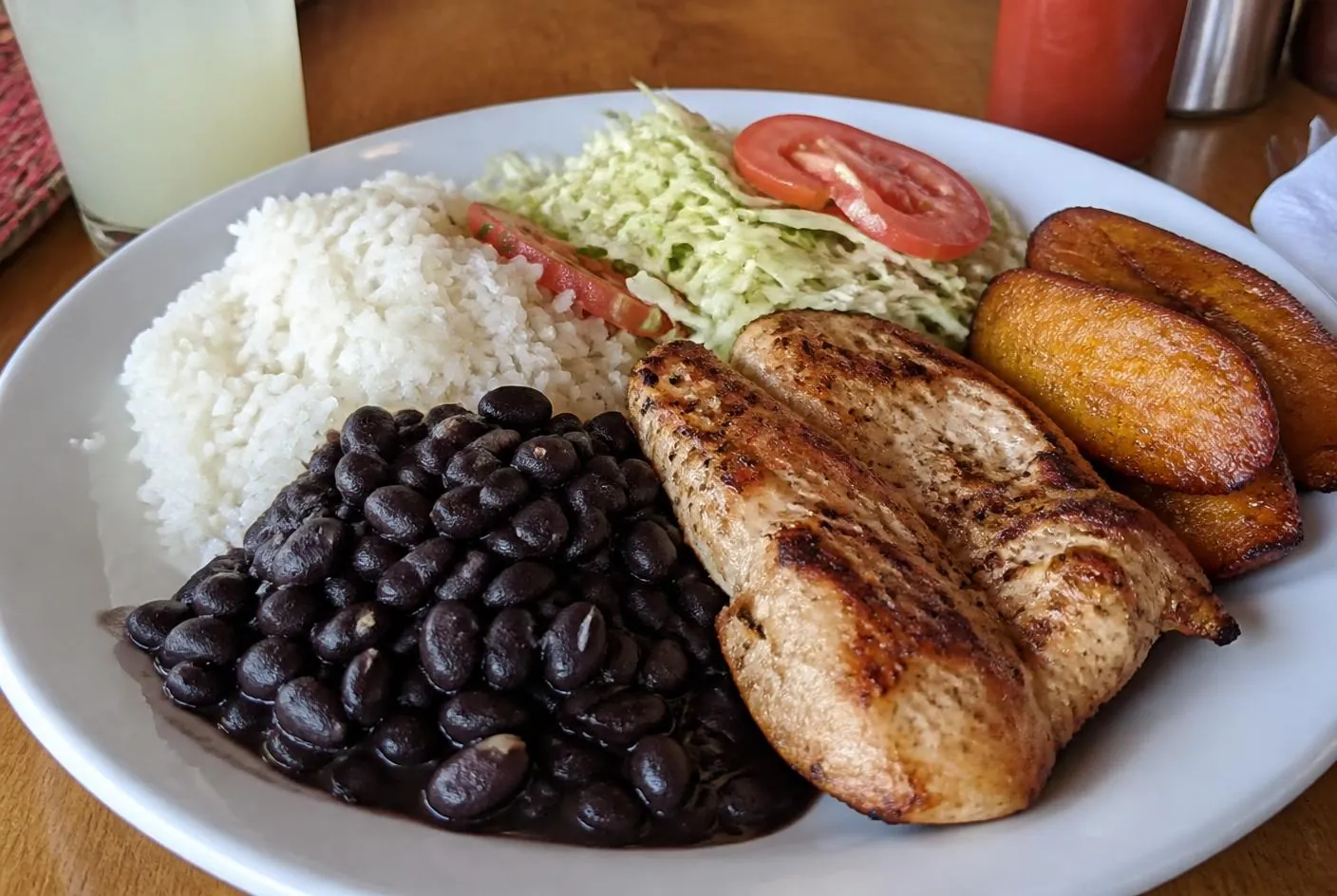
Gallo pinto has breakfast. Casado does lunch. A casado is a single plate of rice, black beans, cabbage-and-tomato salad, fried plantains, and one main protein (chicken, steak, fish or pork), and it is the pride of Costa Rican home cooking. The name translates roughly to "married man", and it is hard to think of a better name for a plate this dependable. Ordering a casado is ordering a complete and fulfilling meal.
Casado is pretty special. What is even more special is serving the dish with love and fresh quality ingredients. The veggies are vibrant, the portions are huge (you will get your money's worth), and the food will keep you warm during a hot afternoon. Most sodas have their own signature casado, and comparing the casados of different regions is one of the more exciting (free) activities you can do in the country.
As of 2026, a casado at a neighbourhood soda typically runs about ₡3,500–₡5,000 (roughly US$7–10), while the same plate at a tourist-facing restaurant in a beach town usually costs US$15–25. Sodas generally serve their lunch service from around 11:00 a.m. to 2:00 p.m., and the cheapest option on the board is almost always the plato del día — the single set lunch the kitchen has cooked in quantity that day.
Other Traditional Costa Rican Food Worth Trying
Beyond gallo pinto and casados, there are many other traditional Costa Rican dishes that are worth a try:
| Dish | Meal or occasion | What's in it | Where you'll find it |
|---|---|---|---|
| Olla de carne | Weekend family lunch | Beef simmered with yuca, corn, plantain and root vegetables | Sodas and home kitchens, most often on Sundays |
| Chifrijo | Afternoon snack with a cold beer | Crispy fried pork, rice, beans, pico de gallo and tortilla chips | Neighbourhood bars and casual restaurants |
| Tamales | Christmas and December family gatherings | Seasoned corn masa with chicken or pork, steamed in a plantain leaf | Seasonal — made at home and sold locally in December |
| Arroz con pollo | Parties, birthdays, group meals | Chicken and rice cooked together with vegetables and mild seasoning | Sodas, bakeries and catered family events |
| Ceviche | Beachside starter or snack | Fresh white fish marinated in lime with onion, cilantro and sweet pepper | Coastal sodas and beach bars on both coasts |
Appreciate authentic Costa Rican food beyond the tourist trail, since each dish beautifully reflects a different region or occasion rather than a single "national dish."
Costa Rican Cuisine: Everyday Ingredients That Define the Flavor
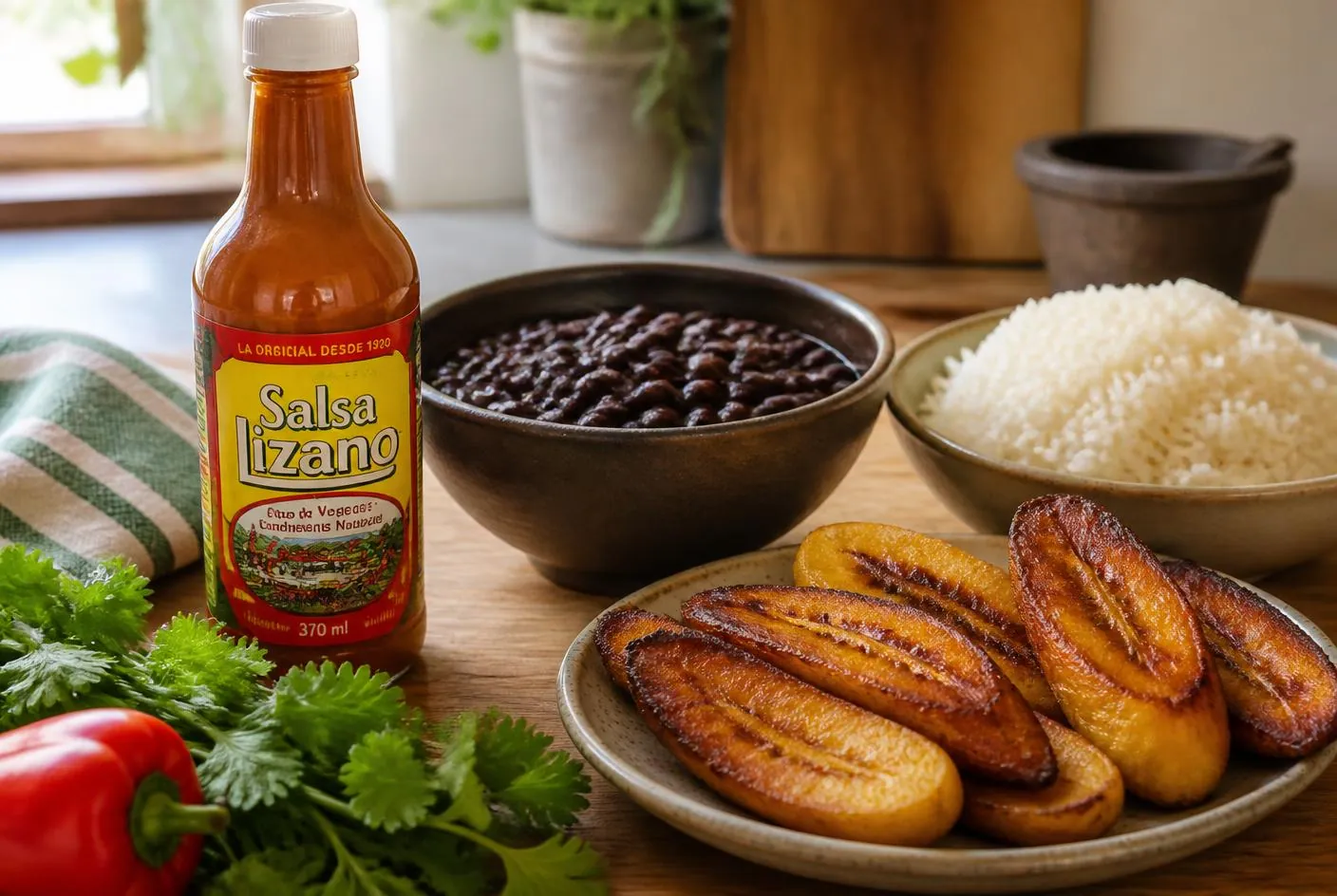
Costa Rica's cuisine uses simple ingredients to produce varieties of dishes. The typical foundation for most dishes is rice paired with black beans. Plantains are also a big part of the side dishes, especially maduros, ripe plantains fried until soft and sweet, and patacones, green plantains smashed and twice-fried until crisp and savoury. Salsa Lizano provides the distinct tangy flavouring to rice and beans, meat or vegetables.
Most local dishes incorporate fruits like mango and guanábana to provide a sweet refreshing taste that can be enjoyed on its own or combined to be served as dessert or in fruit juices.
Ingredients that are similar between dishes are used uniquely to create regional and traditional variation. For example, coastal regions of Costa Rica include seafood and citrus, while inland regions include heartier stews and root vegetables. Lastly, the local households have their own version of how to prepare each dish, which makes Costa Rican food so interesting to explore.
The simple balance of variation and ease of preparing traditional Costa Rican cuisine is evident in each ingredient found in their dishes.
Where to Eat Costa Rican Food: Sodas vs Tourist Restaurants
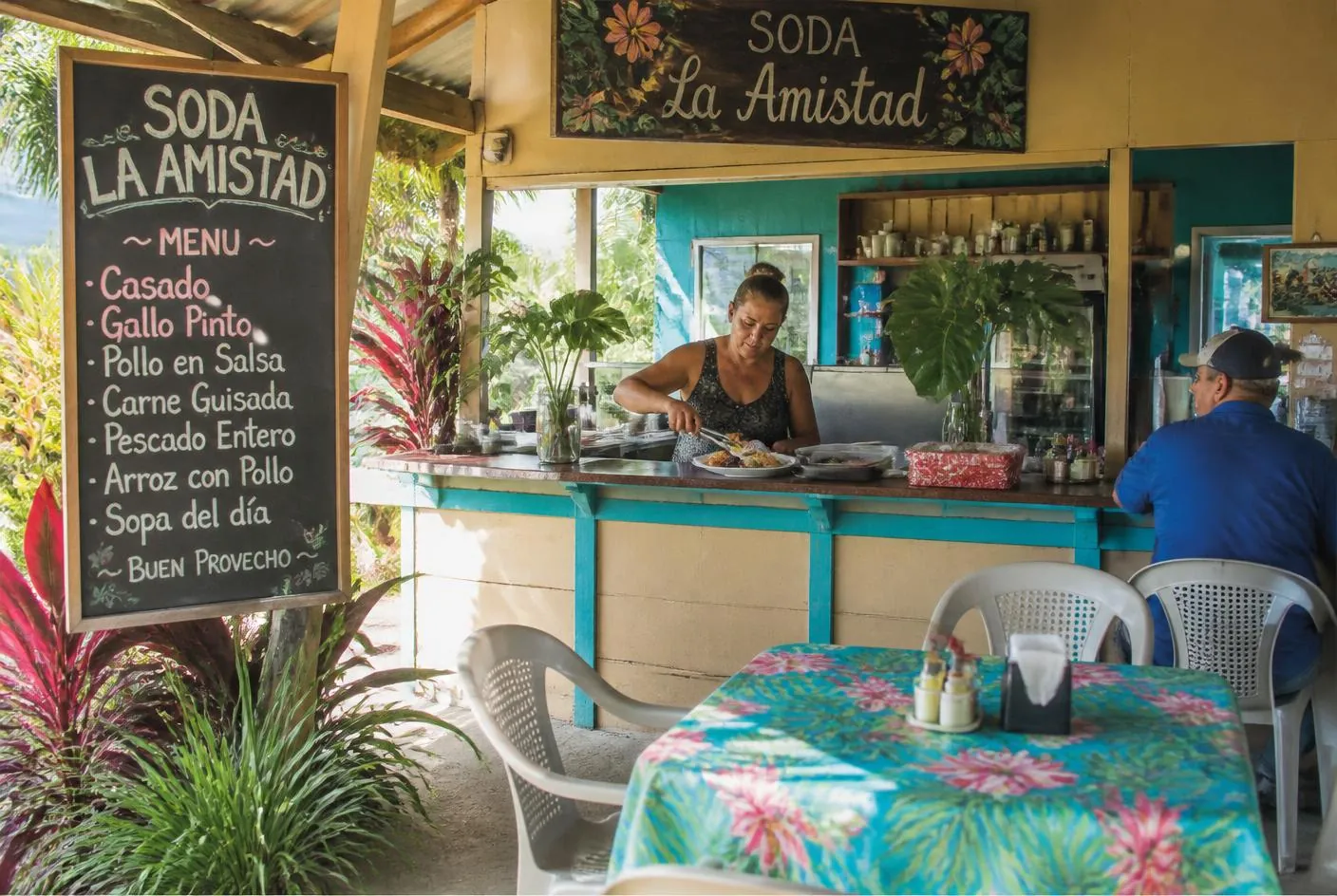
The dividing line in Costa Rica is not fine dining versus street food — it is the soda versus the tourist restaurant. A soda is a small, family-run kitchen serving a short handwritten menu of casados, gallo pinto and a daily plato del día, usually for half the price of a menu printed in English. Tourist restaurants have their place for sunset views, cocktails and international menus, but the cooking that defines the country happens at the soda counter.
The practical approach is to eat lunch at sodas and save the beachfront tables for evenings. You can browse restaurants across Costa Rica by town to find both kinds of place before you travel.
Tips for Eating Like a Local in Costa Rica
- Skip the tourist restaurants and look for sodas, where you can get a cheaper meal that will be both cozier and more authentic.
- For the best deal, the most traditional and the most delicious, the "plato del día" is the way to go.
- Do not forget Salsa Lizano, as without it most meals lose flavour and you are likely to want to bring some home after tasting it.
- Gallo pinto and casados change along the coasts, so enjoy the regional variations on both as you travel. These are both the best of their region and charming in their own way.
Costa Rican Food FAQs
What is Gallo Pinto?
Gallo Pinto is considered the ultimate Costa Rican breakfast with a variety of ingredients like black beans and rice stir fried with peppers, onions, cilantro and Salsa Lizano.
What is a Casado?
Casados are lunch plates consisting of rice, black beans, salad, plantains, and a selection of protein. These dishes are classic everyday meals in Costa Rica.
What foods are traditional in Costa Rica?
The traditional food of Costa Rica emphasizes a combination of plantains and proteins. These foods include Gallo Pinto and Casados.
Is Costa Rican food spicy?
Costa Rican food is generally mild and does not typically use a lot of chili or strong spices.
Where should I go to try Costa Rican food?
For authentic Costa Rican food, try local sodas, family-run restaurants, and traditional eateries where you can enjoy dishes made with fresh, local ingredients.
Final Thoughts
Costa Rican food rewards travellers who order the plain-looking plate. Gallo pinto in the morning and a casado at midday will teach you more about the country than any tasting menu, and both are best eaten at a soda where the same family has cooked them for years. Follow the plato del día, keep Salsa Lizano on the table, and the rest of the cuisine opens up on its own.
Read next
- Cost of Living in Costa Rica 2026 — what a monthly food budget actually looks like.
- Best Beaches in Guanacaste — where to eat ceviche with your feet in the sand.